Blog

  • How much does it cost to build an AI system?

    How much does it cost to build an AI system?

    How much does it cost to build an AI system? It’s one of the most common and critical questions today’s entrepreneurs and solopreneurs are asking. The short answer: it depends.

    The cost to build an AI system in 2025 can range anywhere from $10,000 for a simple chatbot to over $1 million for enterprise-grade solutions involving natural language processing, computer vision, or predictive modeling.

    Yet behind that broad range lies a clear structure of cost drivers, development phases, and ROI opportunities

    The secret isn’t just knowing what you’ll pay, but understanding what you’re paying for: data collection, model training, infrastructure, integration, and ongoing optimization.

    In this guide, you’ll find a detailed AI development cost breakdown, from startup prototypes to scalable AI solutions, along with practical budgeting strategies, cost-saving tips, and real-world case studies

    Whether you’re planning a solo AI project or a full-scale SaaS integration, this is your 2025 pricing guide for AI software development.

    Key Takeaways 

    • AI system development costs range from $10K to over $1M.
    • Data preparation and model training drive the biggest expenses.
    • Start with a Minimum Viable AI to minimize risk.
    • Use cloud-based AI and pre-trained models for affordability.
    • ROI is often achieved within 6–12 months.

    How Much Does It Actually Cost to Build an AI System in 2025? 

    The average cost of building an AI system in 2025 depends on project type, complexity, and required intelligence level:

    System Type Estimated Cost Range (USD) Development Time
    Basic AI Chatbot $10,000 – $40,000 1–2 months
    NLP-based Virtual Assistant $30,000 – $80,000 2–4 months
    Predictive Analytics System $50,000 – $120,000 3–6 months
    Computer Vision System $60,000 – $150,000 4–6 months
    Enterprise AI Platform $250,000 – $1M+ 6–12 months

    AI development costs in 2025 are influenced by:

    • Developer hourly rates ($30–$200/hr globally)
    • Cloud compute usage and storage.
    • Licensing for proprietary APIs
    • Data preparation and cleaning costs

    Example:

    A healthcare startup developing an AI diagnostic model may invest $150K, with $60K on data annotation, $40K on training infrastructure, and $50K on integration and monitoring.

    Smaller businesses can begin with AI-as-a-Service (AIaaS) subscriptions from $100–$1,000/month to test feasibility before full-scale development.

    Detailed AI Implementation Cost Breakdown

    Understanding the AI implementation cost breakdown helps entrepreneurs plan efficiently:

    Cost Component Description Average Cost Range (USD)
    Data Acquisition & Labeling Gathering and cleaning training data $5,000 – $50,000
    Model Development Algorithm selection, coding, experimentation $10,000 – $100,000
    Cloud Infrastructure GPU servers, storage, deployment $5,000 – $30,000
    Integration & Testing APIs, front-end UI, QA $5,000 – $30,000
    Maintenance & Optimization Monitoring, updates, retraining 15–20% of the total yearly
    Consulting / Project Management AI strategy and oversight $5,000 – $25,000

    Pro Insight: Using pre-trained models (like GPT, BERT, or YOLO) can cut training costs by up to 50%, while data augmentation tools reduce labeling expenses dramatically.

    AI System Cost by Type & Use Case 

    Let’s explore the cost to build AI systems across common applications:

    AI System Type Purpose Average Cost (USD)
    Chatbots & Virtual Assistants Automate communication $10K–$40K
    Recommendation Engines Personalize shopping or content $30K–$100K
    Predictive Analytics Systems Forecast trends & demand $50K–$120K
    Computer Vision Models Image/video recognition $60K–$150K
    Voice & Speech AI Voice recognition & sentiment $50K–$100K
    Healthcare Diagnostic AI Medical image interpretation $100K–$500K

    Long-tail example: “How much does it cost to build an AI chatbot?” — around $15K–$35K, depending on NLP depth and multi-language support.

    Note: For enterprise solutions, where various best agentic AI company agents collaborate across marketing, HR, and logistics, the AI system price comparison shows a potential total investment of $500K–$1.2M.
    Feature-rich systems demand higher investment, but deliver exponential scalability.

    Cost Factors that Influence AI Development

    What determines the cost of AI systems? Here are the biggest cost factors:

    1. Data Volume & Quality: Clean, labeled data equals higher accuracy but higher cost.
    2. Complexity of Algorithms: Deep learning models require more computing power and time.
    3. Customization vs. Prebuilt Models: Custom AI equals a higher upfront cost, better control.
    4. Team Composition: Developers, ML engineers, data scientists, and UI experts add to the total cost.
    5. Deployment Infrastructure: On-premise costs more than cloud-based AI.
    6. Integration Needs:  More APIs result in more engineering hours.
    7. Ongoing Maintenance:  AI models degrade over time; retraining is vital.

    Example: A simple chatbot costs ~$15K, but adding multilingual NLU or voice recognition can push costs to $60K+.

    Use Cases for Entrepreneurs, Solopreneurs & Healthcare 

    AI systems aren’t just for big tech; they’re now foundational for solo ventures and startups. Let’s look at how specific industries benefit.

    For Entrepreneurs

    • Predictive Sales AI: Tools that analyze customer data to forecast demand, reducing marketing waste.
    • Inventory Optimization: AI-powered tools track and replenish stock automatically.
    • Customer Sentiment Analysis: NLP models detect emotions in feedback for product improvement.

    For Solopreneurs

    • Virtual Assistants: AI agents like ChatGPT API automate content creation, meeting scheduling, and social media engagement.
    • Automated Accounting: Machine learning models categorize expenses and generate reports.
    • Personalized Marketing: AI models tailor campaigns based on user behavior.

    For Healthcare

    • Diagnostic Imaging AI: Systems analyze X-rays and MRIs faster and more accurately than manual methods.
    • Patient Data Prediction: Predictive analytics forecast disease risk and suggest early intervention.
    • Administrative Automation: AI streamlines documentation and billing, reducing overhead.

    According to PwC’s Global AI Study, the AI project cost for startups in healthcare can start from $50,000 but yield an average ROI of 4.5x in operational efficiency.

    Mini Case Example: A telemedicine startup implemented an AI symptom checker for $80K. Within six months, it reduced consultation wait times by 40% and boosted patient retention by 25%.

    How to Estimate and Budget for Building AI Software? 

    To create a realistic AI development budget, follow this framework:

    1. Define MVP Scope: Start with one use case.
    2. Estimate Resource Hours: Multiply by regional developer rates.
    3. Add Infrastructure Costs: Estimate 20–30% of development cost.
    4. Include Maintenance: Plan 15–20% annually.
    5. Test ROI: Forecast operational savings and revenue boosts.

    Formula: AI Budget = (Development Hours × Hourly Rate) + Infrastructure + Data Prep + Maintenance

    Reminder: Tools like Google Cloud AI cost calculator and AWS pricing estimators can help refine your numbers.

    How to Reduce AI Development Costs Without Compromising Quality? 

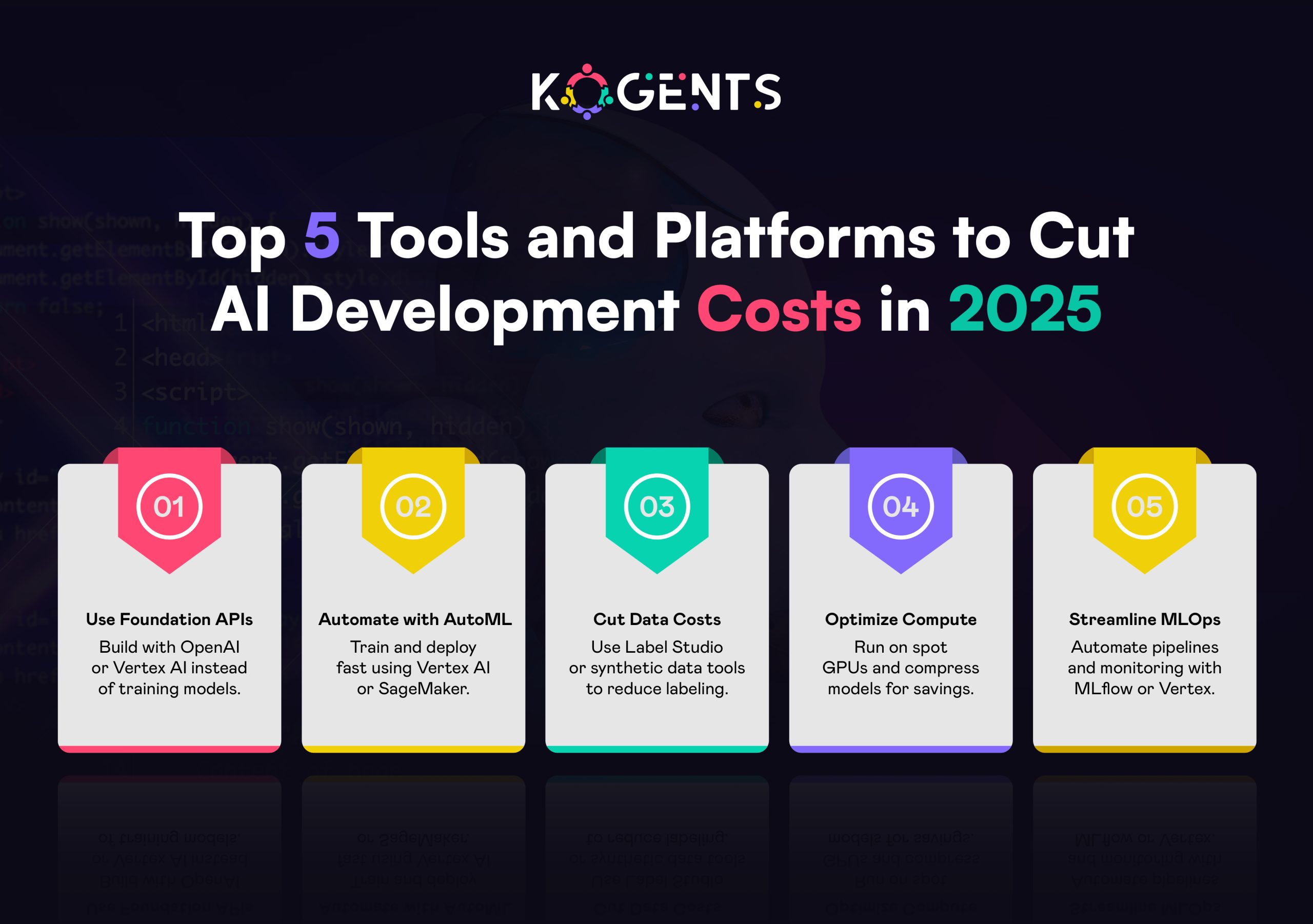
    • Use pre-trained models (BERT, GPT, YOLO).
    • Choose cloud-based ML services instead of local infrastructure.
    • Outsource specialized tasks (data labeling, model tuning).
    • Leverage no-code AI builders for prototyping.
    • Continuously monitor and optimize models to avoid expensive retraining.

    Benefits of AI Agents in Terms of Cost Building 

    While the cost to build an AI application can seem steep, the return on investment (ROI) often surpasses expectations. Here’s why AI is a smart financial decision for business owners:

    1. Automation Savings: AI reduces manual labor costs by automating repetitive tasks.
    2. Operational Efficiency: Fewer human errors and faster decision-making.
    3. Scalability: A one-time AI investment can serve thousands of customers simultaneously.
    4. Lower Long-Term Costs: Cloud-based AI tools minimize infrastructure expenses.
    5. Increased Revenue: Personalized recommendations and predictive marketing directly impact sales.

    Note: For solopreneurs, this means even small AI systems, like chatbots or analytics engines, can deliver substantial time and cost savings compared to hiring full-time employees.

    In short, while AI system price comparisons might initially favor off-the-shelf tools, custom-built AI solutions offer far greater control, scalability, and profit potential.

    Challenges & Limitations When Building an AI System 

    Despite the promise, enterprise AI development and other large-scale AI projects come with challenges that impact both cost and implementation time.

    1. Data Quality: Poor or insufficient data can inflate costs due to extensive cleaning and retraining.
    2. Talent Shortage: Skilled ML engineers and data scientists command salaries exceeding $150K/year.
    3. Infrastructure Costs: High-performance GPUs or cloud storage can add thousands monthly.
    4. Ethical & Compliance Concerns: Healthcare and finance sectors require strict adherence to data privacy laws.
    5. Model Maintenance: Continuous model retraining is essential to prevent performance drift.

    Pro Tip: To reduce AI software development pricing, use open-source pre-trained models (like BERT, GPT, or ResNet) and customize them instead of starting from scratch.

    Understanding these limitations helps in realistic AI development cost estimation and resource allocation during project planning.

    AI System vs Other Tools and Cost Analysis 

    Tool Type Average Cost Range Complexity Customization Level Maintenance Cost Best For
    Custom AI System $50,000 – $1,000,000+ High Fully Custom 15–20% yearly Scaling startups, data-rich businesses
    No-Code AI Platforms (e.g., Google AutoML, Azure AI Studio) $10,000 – $50,000 Medium Limited 10% yearly Small businesses, solopreneurs
    Traditional Automation Tools (Zapier, Make) $500 – $5,000 Low Minimal Minimal Workflow automation
    Outsourced AI Services $30 – $200/hour Variable Moderate Depends on the provider Specialized tasks
    Off-the-Shelf SaaS AI (e.g., ChatGPT API, Jasper AI) Subscription ($20–$200/month) Low None Included Content, support automation

    Key Insight: While traditional automation offers quick wins, custom AI systems deliver long-term competitive advantage and scalability, especially for businesses looking to build proprietary data-driven assets.
    ROI and Payback Period of AI Systems 

    Most AI investments achieve ROI in 6–18 months, depending on automation depth.

    Business Type Investment Annual Savings Payback Period
    Small E-Commerce $20K $40K 6 months
    Healthcare Startup $150K $300K 8 months
    Enterprise Supply Chain $500K $1.2M 10 months

    ROI Tip: Always calculate Total Cost of Ownership (TCO), including compute, retraining, and cloud hosting.

    Case Study Spotlight: How AI Systems Benefit Businesses 

    Case Study 1: Small Business – AI Chatbot Integration

    A boutique e-commerce brand invested $20,000 in a custom AI chatbot for order tracking and support. Within three months:

    • Customer support tickets dropped by 45%.
    • Average response time improved by 85%.
    • Revenue increased by 12% due to better retention.

    ROI: The system paid for itself in under 6 months.

    Case Study 2: Healthcare Startup – Predictive Diagnostics

    A medical analytics firm developed a machine learning diagnostic model for $150,000 using AWS SageMaker

    Results:

    • Early disease detection accuracy improved by 30%.
    • Reduced manual analysis hours by 60%.
    • Annual savings of $300K in staff time.

    Case Study 3: Enterprise – AI-driven Supply Chain

    A manufacturing enterprise implemented a neural network-based forecasting system costing $500K.
    Outcomes:

    • Supply chain delays reduced by 22%.
    • Waste decreased by 18%.
    • ROI achieved within 10 months.

    Key Lessons Learnt: AI implementation cost breakdowns matter less than measurable outcomes. 

    Conclusion

    The journey to building an AI system isn’t about expense; it’s about investment in capability

    Understanding how much it costs to build an AI system helps entrepreneurs plan effectively, avoid overspending, and align tech goals with business outcomes.

    With modular AI, pre-trained models, and cloud APIs, even small teams can now access technologies once exclusive to Fortune 500s.

    At Kogents.ai, we help entrepreneurs, solopreneurs, and healthcare innovators build cost-effective AI systems, from strategy to deployment. So, call us at +1 (267) 248-9454 or email us at info@kogents.ai. 

    FAQs

    What factors affect the cost of building an AI system?

    Several factors influence the AI development cost estimate, including the project’s complexity, the amount and quality of training data, the choice of cloud infrastructure, and the expertise of your development team. 

    Is it expensive to develop artificial intelligence?

    Not necessarily. While enterprise AI systems can exceed $500,000–$1 million, smaller businesses can build effective machine learning projects for $10,000–$50,000 using cloud-based APIs or low-code AI platforms. The average cost of AI systems has dropped 35% in the past three years due to open-source tools and pre-trained models.

    What is the AI development cost breakdown by industry?

    Industry type heavily influences cost. Healthcare AI systems typically range between $100,000–$500,000 due to compliance and data sensitivity, while e-commerce or marketing AI tools may cost $20,000–$80,000. Finance and logistics AI solutions often sit between $50,000–$250,000, depending on automation depth and security features.

    What is the average cost of AI implementation for small businesses?

    Small businesses generally spend $15,000–$80,000 for AI integration. The cost to build an AI application varies depending on whether it’s fully custom-built or uses plug-and-play SaaS AI solutions.

    How much does it cost to hire AI developers per hour?

    The AI solution development cost per hour depends on geography and skill set. In 2025, North American AI engineers charge $120–$200/hour, while developers in Eastern Europe or India may charge from $30–$80/hour. For a medium-sized AI system development project, labor costs make up 60–70% of total expenses.

    Where can I get an AI system cost quotation online?

    You can get instant AI development cost estimates using Google Cloud AI, AWS SageMaker, or Azure pricing calculators. Many AI software pricing tools provide quote comparisons for different compute instances, model types, and API usage levels—helping you forecast accurate AI system price comparisons before starting.

    Which is better for my business, custom AI or ready-made SaaS AI tools?

    If you need scalability and control, custom AI systems are ideal despite higher upfront costs. They typically deliver a higher ROI and long-term affordability. On the other hand, SaaS AI tools like ChatGPT API, Jasper AI, or Zoho AI cost as little as $20–$200/month, perfect for solopreneurs seeking quick deployment with minimal setup.

    Is AI development worth the investment for startups in 2025?

    Yes. Startups using AI report an average ROI between 200–400% within 12–18 months. The AI project cost for startups is lower than ever, thanks to API-first ecosystems, low-code AI tools, and open-source frameworks. 
  • How to create an AI agent from scratch

    How to create an AI agent from scratch

    If you’ve ever wondered how to create an AI agent from scratch, the kind that automates tasks, converses intelligently, or makes strategic decisions, you’re not alone. 

    Entrepreneurs and solopreneurs worldwide are rapidly exploring AI agents to supercharge productivity, reduce costs, and scale operations.

    An AI agent isn’t just a chatbot; it’s a digital autonomous assistant capable of perceiving its environment, reasoning through data, and taking meaningful actions toward defined goals. 

    From automating marketing workflows to personalizing patient care, AI agents are reshaping how we work, learn, and innovate.

    This guide will walk you through everything you need to know about what AI agents are, how they work, and most importantly, how to build one from the ground up. 

    Key Takeaways 

      • AI agents are autonomous, intelligent systems that perceive, decide, and act toward defined goals.
      • Entrepreneurs and solopreneurs can build agents to automate tasks, enhance decisions, and scale operations affordably.
      • Building one involves defining goals, selecting architectures, coding perception–decision–action modules, integrating APIs, and iterating with feedback.
      • The best agents combine reasoning (ReAct), memory (RAG), and ethics (alignment) for trustworthy autonomy.
      • In business, education, and healthcare, they’re not replacing humans but amplifying them, freeing us to focus on creativity and connection.

    What Are AI Agents? 

    An AI agent is a software entity that can observe its environment, process information, and act autonomously to achieve specific objectives. 

    These agents can operate in digital systems, physical robots, or hybrid setups that blend both.

    AI agents are typically built using one of several agent architectures:

    • Reactive agents: respond directly to stimuli (e.g., a customer support chatbot).
    • Deliberative agents: reason and plan using models of the world.
    • Hybrid agents: combine both reactivity and reasoning.
    • BDI agents (Belief-Desire-Intention): simulate human-like decision processes.

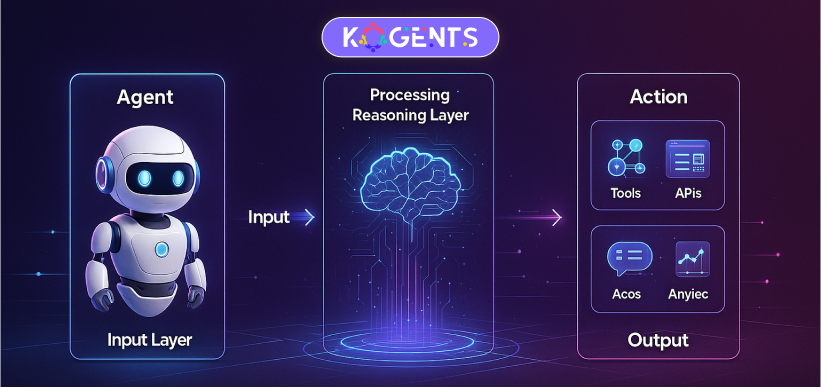
    At their core, AI agents follow a loop known as the perceive-think-act cycle:

    • Perception: sense the environment or user input.
    • Decision-making: reason or predict using machine learning or rules.
    • Action: execute via APIs, code, or real-world devices.

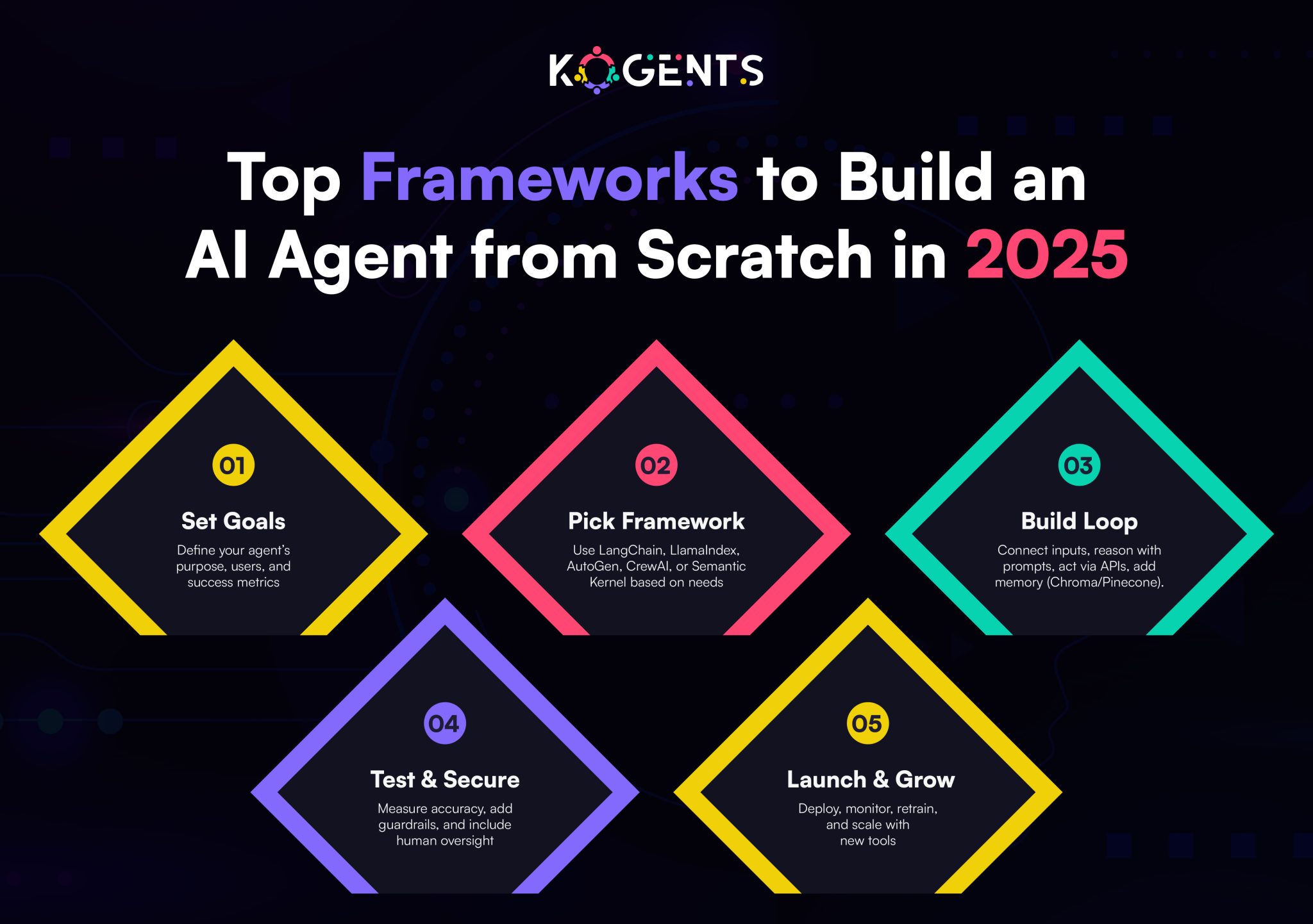
    Common frameworks like LangChain, ReAct, or AutoGPT enable developers to chain together tools, APIs, and prompts into autonomous workflows. 

    How to Create an AI Agent from Scratch 

    Creating an AI agent from scratch is less about writing lines of code and more about designing a thinking system that can understand, decide, and act. 

    The process begins long before development, with strategic clarity, behavioral modeling, and a deep understanding of your goals. 

    Here’s how to conceptualize, build, and refine an autonomous agent step by step.

    1. Define the Agent’s Mission and Identity

    Every powerful AI agent begins with a clear purpose. 

    Ask: What problem will this agent solve, and for whom?

    This purpose defines its “mission statement”: whether it’s a business analyst, virtual assistant, or healthcare companion.

    Entrepreneurs should define their agent as if hiring an employee: what role, responsibilities, and outcomes do you expect?

    Once the purpose is defined, outline its personality and tone. Should your agent be professional and analytical, or empathetic and conversational?

    This design step aligns the agent’s voice and reasoning style with your brand identity or user expectations.

    In healthcare or mental health, for instance, warmth and trustworthiness are essential; in business analytics, precision and clarity matter most.

    2. Map the Environment and Interactions

    An agent’s world is its environment,  the space it observes, interprets, and acts within. 

    This could be a business dashboard, a patient data system, or a client interaction platform. 

    • Defining this environment helps you visualize how the agent perceives information.
    • Next, outline the inputs and outputs. Inputs might be customer questions, data sets, or user feedback.
    • Outputs could include reports, actions, or decisions. 

    Learn It: This clarity ensures that your agent has the right “senses” and “tools” to operate meaningfully within your ecosystem.

    3. Design the Cognitive Process: Driver the Thinking Engine

    At the heart of every agent lies its cognitive process, how it interprets information, reasons through uncertainty, and takes action. 

    Conceptually, this follows the perception → reasoning → action loop.

      • Perception: How does your agent gather and interpret signals from its environment? (e.g., text, user inputs, business data).
      • Reasoning: How does it evaluate options, prioritize goals, and make decisions?
      • Action: What can it actually do, respond, recommend, execute, or collaborate?

    Strategic Insight: Think of this like training a team member: you’re teaching your AI how to notice what matters, think critically, and follow through responsibly.

    4. Build the Behavioral Logic and Feedback Loops

    To create one from scratch, you must define the feedback mechanisms that help it learn and evolve.

    Imagine your AI agent as a digital apprentice: it performs tasks, receives feedback, and gradually refines its performance. 

    This could be user satisfaction ratings, business KPIs, or outcome accuracy.

    When feedback is continuous, the agent’s behavior becomes more adaptive and aligned with your goals. 

    Entrepreneurs can also set reward signals, not in a coding sense, but strategically. 

    For example:

    • Reward = successful client engagement.
    • Penalty = unresolved task or incorrect outcome.

    Key Note: Over time, this conceptual reinforcement process helps your agent “understand” what success looks like in your business.

    5. Create Its Memory and Identity Continuity

    To feel intelligent, it must remember context, previous decisions, and user preferences. Conceptually, this means designing short-term and long-term memory layers:

    • Short-term memory allows your agent to hold recent interactions and maintain coherent conversations.
    • Long-term memory helps it recognize patterns, preferences, and historical outcomes.

    6. Align with Ethics, Trust, and Human Oversight

    Before deploying, define your ethical guardrails. What should your agent never do? What human review processes are necessary?

    Trust and transparency are the cornerstones of sustainable AI use, especially in healthcare or finance. 

    Every agent must be designed with alignment principles: fairness, explainability, and respect for privacy.

    For solopreneurs, this might mean ensuring client data is never shared without consent. 

    For healthcare providers, it means building agents that support, not replace,  professional judgment. 

    Key Highlight: This step transforms your agent from an automation tool into a trustworthy collaborator.

    7. Pilot, Measure, and Evolve

    • Finally, launch your agent in a controlled pilot environment. 
    • Measure how it performs in real-world conditions. 
    • Observe how users interact with it. Identify where it shines and where it struggles.
    • Agents thrive in iterative cycles; analyze feedback, refine reasoning, and evolve their “mindset.” 

    Note: Entrepreneurs should treat this phase as ongoing mentorship, where their agent continues learning from results, patterns, and experiences.

    Why Entrepreneurs & Solopreneurs Need AI Agents? 

    AI agents offer a way to clone their decision-making processes, enabling growth without burnout.

    1. 24/7 Productivity

    • AI agents don’t sleep. 
    • They manage leads, schedule posts, and reply to inquiries even while you rest. 
    • Solopreneurs can offload repetitive tasks and focus on creativity and strategy.

    2. Scalable Operations

    Entrepreneurs can deploy autonomous AI agents to handle parallel workflows, customer support, data analytics, or proposal generation, much like the solutions offered by the best agentic AI company for startups and growing teams.

    3. Smarter Decision-Making

    With data-driven insights, AI agents can evaluate KPIs, perform forecasting, and recommend actions using real-time analytics.

    4. Personalized Experiences

    Agents can tailor customer engagement by learning from behavior data,  a competitive advantage for small businesses that want to deliver big-brand personalization.

    5. Lower Costs

    AI agents reduce overheads, with no salaries, benefits, or training costs,  while maintaining consistent quality.

    Pro Tip: Pair an AI business agent (for operations) with a creative agent (for content generation). Together, they create a self-sustaining business engine.

    Core Features of Modern AI Agents 

    Modern AI agent architecture combines modular intelligence with adaptive learning. Key features include:

    1. Context Awareness

    Agents use retrieval-augmented generation (RAG) and vector search to recall prior interactions and maintain long-term memory.

    2. Reasoning & Planning

    Leveraging frameworks like ReAct (Reason + Act), agents can plan step-by-step actions, essential for complex workflows like financial analysis or treatment planning.

    3. Multi-Tool Integration

    Agents invoke APIs, databases, and cloud tools autonomously, transforming from static models to dynamic software operators.

    4. Memory Systems

    Long-term, episodic, and working memory modules allow context persistence and meta-reasoning. 

    Example: an agent can “remember” previous user goals and resume work later.

    5. Safety & Alignment

    Built-in ethical guardrails, sandboxed environments, and logging ensure compliance and transparency, crucial for healthcare or finance sectors.

    6. Human-in-the-Loop (HITL)

    AI agents incorporate manual override options, enabling human review for high-stakes decisions.

    7. Learning Capabilities

    Using reinforcement learning or fine-tuning, agents continuously improve via feedback loops and self-evaluation.

    Together, these features enable autonomous, trustworthy, and adaptive behavior, bringing us closer to agentic AI — systems capable not just of executing commands but of understanding goals and strategically achieving them.

    Benefits of AI Agents 

    1. Efficiency and Automation

    AI agents automate repetitive tasks, ensuring consistency and freeing human capital for higher-order thinking.

    2. Enhanced Decision-Making

    Agents synthesize data into actionable insights, analyzing sales trends, patient outcomes, or user engagement metrics.

    3. Personalization at Scale

    With adaptive learning, AI agents deliver tailored user experiences, from personalized education modules to individualized treatment recommendations.

    4. Cost-Effective Scalability

    Building once, deploying infinitely, agents can serve thousands of users without proportional cost increases.

    5. 24/7 Availability

    They provide round-the-clock support, critical in healthcare, global business, and mental wellness.

    6. Reduced Human Error

    Machine consistency ensures higher accuracy in tasks like data entry, analysis, and compliance tracking.

    7. Continuous Learning

    Through reinforcement learning, agents improve based on feedback, ensuring better alignment with user goals.

    Example: A small business using a sales AI agent reports a 40% boost in conversion rates due to smarter lead prioritization and personalized outreach.

    Pro Tip: Integrate your agent into CRM, analytics, and social platforms to achieve end-to-end automation and holistic visibility.

    Challenges & Limitations 

    While powerful, building an AI agent from scratch poses key challenges:

    1. Data Dependency

    • Agents require quality, labeled data to perform effectively. 
    • Insufficient or biased data can lead to poor decisions.

    2. Ethical & Safety Concerns

    • Unmonitored agents risk bias, hallucination, or unsafe actions. 
    • Implement alignment checks and human-in-the-loop validation.

    3. Complexity of Integration

    AI integration for legacy systems, multiple APIs, and maintaining context persistence requires robust agent orchestration and debugging.

    4. Cost of Development

    Although frameworks are open-source, training, storage, and compute can be expensive for small operators.

    5. Evaluation & Transparency

    • Unlike rule-based systems, agent reasoning can be opaque. 
    • Logging, explainability, and audit trails mitigate this.

    6. Security Risks

    • API misuse or prompt injection attacks can compromise systems. 
    • Sandbox environments and permission hierarchies are essential.

    7. Over-Autonomy

    • Fully autonomous behavior without control mechanisms can create trust issues. 
    • Implement permission boundaries and override switches.

    Expert Insight: Joy Buolamwini’s Algorithmic Justice League highlights that fairness, bias detection, and ethical validation are not optional; they’re integral to sustainable AI.

    AI Agents vs Other Tools 

    Feature / Aspect AI Agents Chatbots Automation Tools (Zapier, IFTTT) Traditional Software
    Autonomy High – learns and acts independently Low – responds to scripted inputs Medium – rule-based Low – static
    Learning Ability Yes (reinforcement learning, RAG) Limited None None
    Context Awareness Deep, persistent memory Minimal Stateless Fixed
    Decision-Making Dynamic reasoning and planning Predefined responses Conditional logic only Manual setup
    Adaptability Self-improving over time Static Rigid Requires manual updates
    Integration Scope APIs, databases, tools, sensors Messaging apps Limited web apps OS or platform only
    Best Use Case Intelligent operations, strategy, insight Customer chat support Workflow automation Standard processes
    Example Frameworks LangChain, AutoGPT, BabyAGI Dialogflow, ManyChat Zapier, Make ERP, CRM systems

    Future of AI Agents 

    The future belongs to agentic ecosystems, interconnected networks of specialized AI agents that collaborate like digital teams. 

    According to recent arXiv papers (e.g., Cognitive Kernel-Pro, ThinkTank Framework 2025), we’re entering an era of multi-agent orchestration where AI agents negotiate, cooperate, and delegate tasks seamlessly.

    Expect innovations in:

    • Autonomous marketplaces — where agents transact and barter data.
    • Verified identity standards like AgentFacts (KYA standard) ensure agent trust and accountability.
    • Agentic AI certifications from institutions like MIT and NVIDIA — professionalizing agent design and AI governance and compliance.
    For entrepreneurs and solopreneurs, this means greater access to plug-and-play AI employees, marketing agents, analytics agents, and even finance advisors. 

    As LLMs become multimodal, agents will interpret voice, video, and sensors, bridging digital and physical realities.

    Case Study Spotlight 

    1. Business

    A SaaS startup built a sales AI agent using LangChain and GPT-4. It qualified leads via email, integrated with HubSpot, and automated follow-ups. 

    Result: 40% sales increase, 60% fewer manual hours.

    2. Healthcare

    A clinic deployed an AI triage agent integrated with EHR. It monitored patient vitals, predicted risk using RL models, and alerted doctors proactively,  improving diagnostic speed by 35%.

    3. Mental Health

    An online therapy platform used a BDI-based conversational agent to deliver CBT sessions. Clients reported a 25% improvement in stress management and engagement.

    4. Education

    A university integrated an AI tutoring agent powered by RAG. It provided real-time help for students, cutting dropout rates by 20%.

    5. Learning & Self-Development

    A solopreneur built a personal growth AI mentor that tracked progress across skills, set reminders, and curated courses. 

    Result: More consistent learning and measurable ROI on time spent. 

    Conclusion 

    Knowing how to create an AI agent from scratch isn’t science fiction; it’s a strategic imperative for modern entrepreneurs. 

    As agentic AI evolves, those who learn to design and deploy their own agents will hold a decisive advantage in automation, insight, and innovation.

    You now know the core steps: define your purpose, design architecture, integrate APIs, and enable continuous learning. 

    Whether you’re running a one-person business or managing a digital clinic, the potential is limitless when you combine AI autonomy with human vision.

    See how Kogents AI does it for you and get in touch with us by calling us at +1 (267) 248-9454 or dropping an email at info@kogents.ai

    FAQs

    What is the easiest way to start building an AI agent?

    Begin with open-source frameworks like LangChain or AutoGPT. They simplify tool integration and reasoning workflows.

    Can I create an AI agent without coding?

    Yes. Low-code platforms like Flowise or Pipedream let you drag-and-drop logic for agentic automation.

    Which programming language is best for AI agents?

    Python, due to its mature AI ecosystem (TensorFlow, PyTorch, LangChain).

    How much does it cost to build an AI agent?

    Basic prototypes can start under $50/month using APIs. Enterprise agents with RL training cost significantly more.

    What’s the difference between a chatbot and an AI agent?

    Chatbots respond; AI agents reason, plan, and act autonomously.

    Can AI agents work together?

    Yes. Multi-agent systems (MAS) enable collaboration, negotiation, and parallel task execution.

  • Can an AI Health Assistant Reduce Healthcare Costs?

    Can an AI Health Assistant Reduce Healthcare Costs?

    Ever feel like you’re jumping through hoops just to get the care you need, but wish there was an easier way forward?

    Well, you’re not alone in this case. 

    With the rising costs of healthcare in the United States, finding effective and affordable solutions is a pressing concern for many.

    Virtual health assistants are revolutionizing the healthcare environment by providing 24/7 support and personalized guidance.

    AI-powered tools help patients adhere to their treatment plans and make informed decisions about their care.

    By leveraging these innovative solutions, you can take control of your health journey and potentially reduce your healthcare expenses.

    But how exactly do these AI health assistants work, and what benefits do they offer? Let’s uncover this in this blog. 

    Key Takeaways

    • Discover how AI-powered health assistants provide round-the-clock support and personalized guidance.
    • Explore the growing financial challenges in the American healthcare system and how technology offers promising solutions.
    • Learn about the core features of modern AI health assistants and their impact on patient outcomes.
    • Understand how virtual health platforms can bridge gaps in care and enhance medication adherence.
    • Find out how AI tools can support both patients and healthcare providers.

    The Rising Challenge of Healthcare Costs in America

    America is facing a healthcare cost crisis that impacts patients, providers, and the overall healthcare system. 

    The financial strain of healthcare costs is a pervasive issue that affects various aspects of the medical care setup. 

    The United States spends a significant portion of its GDP on healthcare, with a total expenditure of $4,866.5 billion in 2023.

    This excessive expenditure contributes to the financial burden on both patients and healthcare providers.

    Financial Burden on Patients and Providers

    You may be among the millions of Americans who delay or avoid seeking medical care due to concerns about cost, potentially leading to more serious and expensive health issues down the road. 

    Healthcare providers face their own financial challenges, including unpaid medical bills and complex billing systems that increase operational costs. 

    AI health assistants, including digital health assistants, health chatbots, and AI wellness assistants, offer a path forward. 

    By delivering round-the-clock support, automating routine tasks, and enhancing medication adherence, they help lower costs and improve outcomes. 

    Integrated with remote patient monitoring (RPM) systems, these tools enable early detection of health issues and reduce unnecessary hospital visits.

    Modern digital health tools and AI diagnostic assistants provide clinical decision support by analyzing data and offering evidence-based recommendations. 

    What Is an AI Health Assistant?

    An AI health assistant comes equipped with several key features that enhance patient care. These include advanced machine learning algorithms that improve over time, natural language processing (NLP) for better understanding, and integration with wearable devices for real-time data collection.

    • Your assistant uses artificial intelligence (AI) and continuously learns from interactions to improve its accuracy and effectiveness. 
    • Moreover, Chatbot capabilities allow it to answer patient questions in natural, everyday language, making it more accessible.
    • Modern platforms integrate with remote patient monitoring (RPM) systems and digital health tools, enabling continuous tracking of vital signs and early detection of health risks. 
    • Many also provide clinical decision support, helping healthcare providers make data-driven, evidence-based recommendations.
    • When combined with telehealth/telemedicine services and healthcare workflow automation, AI health assistants streamline communication, reduce administrative burdens, and deliver a seamless, patient-centered care experience.

    How AI Technology Powers Modern Health Assistants

    The technology behind AI health assistants is sophisticated, using complex systems that analyze medical literature and clinical guidelines to provide evidence-based recommendations tailored to your health profile. 

    This approach is consistent with standards highlighted by the Agency for Healthcare Research and Quality (AHRQ), which promotes evidence-based practice in healthcare decision-making (Bipartisan Policy Center).

    Advanced AI assistants can integrate with wearable devices and health monitoring tools to collect real-time data on your vital signs and activities, a practice supported by research on remote patient monitoring with AI that demonstrates its potential to reduce hospitalizations and improve outcomes. 

    Safety and compliance are also crucial. These assistants follow sophisticated clinical escalation systems to ensure patients receive appropriate care when necessary, aligning with oversight principles emphasized by the U.S. Food & Drug Administration’s (FDA) Digital Health Advisory Committee and The Joint Commission’s telehealth accreditation guidelines (Reuters, PMC).

    By providing accurate, timely, and guideline-based information, AI health assistants empower you to take a more active role in your healthcare. 

    This improves patient experience and contributes to a more efficient healthcare system, a goal consistent with the Centers for Medicare & Medicaid Services (CMS) efforts to encourage value-based care models.

    AI health assistants

    How AI Health Assistants Drive Cost Reduction

    AI health assistants are emerging as a key factor in reducing healthcare expenditures.

    By streamlining various processes and improving patient care, these assistants are proving to be a valuable asset for healthcare providers.

    Preventative Care and Early Intervention

    AI health assistants facilitate preventative care by identifying potential health issues early on. This enables timely intervention, reducing the likelihood of costly complications down the line. By focusing on prevention, healthcare costs can be significantly lowered.

    Reducing Unnecessary Hospital Visits

    These assistants can pre-screen patients and gather relevant health information before appointments, making clinical visits more efficient. 

    This not only saves time for both patients and healthcare providers but also reduces unnecessary hospital visits, thereby cutting costs.

    Streamlining Administrative Processes

    AI health assistants and AI agents for healthcare automation streamline routine administrative tasks such as appointment scheduling and data entry.

    This reduces the workload for the healthcare team, allowing them to focus more on direct patient care. The table below highlights the benefits of streamlining administrative processes.

    By leveraging AI technology, healthcare providers can optimize their resources, improve care quality, and reduce costs. 

    The integration of AI health assistants is a step towards a more efficient and cost-effective healthcare system.

    Improving Medication Adherence and Management

    Medication adherence technology

    Medication adherence is a critical aspect of healthcare that AI health assistants can significantly improve. 

    By leveraging technology, these assistants can help you stay on track with your medication regimen.

    The Cost of Non-Adherence

    Non-adherence to medication can lead to significant healthcare costs, including hospital readmissions and additional treatments. 

    Studies have shown that non-adherence can result in billions of dollars in unnecessary healthcare expenses annually.

    How AI Assistants Boost Adherence Rates

    They can boost adherence rates by sending personalized medication reminders, providing education on medication importance, and tracking your adherence behavior. 

    These tools adapt to your behavior patterns, ensuring the most effective reminder strategies are used.

    • Receive personalized reminders based on your prescription schedule.
    • Gain education on the benefits and potential side effects of your medications.
    • Benefit from proactive support in managing side effects and addressing concerns.

    Remote Monitoring and Chronic Disease Management

    Remote patient monitoring systems

    You can now take control of your health with the help of remote monitoring systems designed for chronic disease management. 

    These systems enable continuous tracking of your vital signs and health metrics, allowing for timely interventions.

    Cost-Effective Monitoring of Chronic Conditions

    Remote monitoring reduces the need for hospital visits, making it a cost-effective solution for managing chronic conditions. 

    Your AI health assistant continuously collects and analyzes data, identifying patterns and trends that might not be apparent during occasional doctor visits.

    Real-Time Data Collection and Analysis

    Real-time analysis allows for immediate feedback on how lifestyle factors like diet, exercise, and sleep affect your health metrics, enabling you to make informed adjustments. 

    The comprehensive data collected creates a more complete health profile that helps healthcare providers make more accurate diagnoses and treatment recommendations.

    The insights generated from your data can help personalize your care plan, focusing interventions on the specific factors most affecting your health. 

    AI health assistants

    Personalized Health Insights and Preventive Care

    By leveraging AI technology, you can gain valuable insights into your health and take proactive steps towards preventative care. 

    AI health assistants analyze your data to provide customized recommendations that address your specific health needs.

    Customized Health Recommendations

    Your AI health assistant can offer customized advice on lifestyle modifications, such as diet and exercise, to help mitigate potential health risks. 

    By understanding how your daily habits affect your health, you can make informed decisions to improve your well-being.

    Identifying Risk Factors Before They Become Costly

    • Your AI health assistant can identify potential risk factors in your health data that might indicate developing problems before they require expensive interventions.
    • By analyzing patterns in your vital signs, symptoms, and behaviors, these systems can detect subtle changes that might escape notice during routine care.
    • The assistant can provide specific advice about lifestyle modifications that address your personal risk factors, potentially preventing the development of chronic conditions.
    • Early identification of health risks allows for targeted preventative measures that are typically much less expensive than treating established diseases.
    • The AI can help you understand how specific behaviors like diet choices, exercise habits, and stress management affect your personal health risks.
    • These insights enable a proactive approach to health management, shifting resources from expensive disease treatment to more cost-effective prevention.
    • By highlighting connections between your daily habits and health outcomes, AI assistants make abstract health risks more concrete and actionable.

    Note: With AI-driven health insights, you can take a proactive role in managing your health and reducing the likelihood of costly medical interventions in the future.

    Case Study Analysis: Esper’s 

    The implementation of AI health assistants has led to measurable reductions in healthcare costs. 

    Esper, an AI health assistant, has achieved a significant 36% increase in patient adherence. By handling outreach on behalf of staff, Esper streamlines incoming phone calls, scheduling, and inquiries. 

    It assists with full-service onboarding, consent, enrollment, health assessments, patient scheduling, medication reminders, and auto-refilling device supplies, ultimately improving outcomes for patients.

    Reducing Administrative Burden for Healthcare Providers

    AI health assistants significantly reduce the administrative burden on healthcare teams by automating routine tasks like appointment scheduling and medication reminders. 

    They can handle frequently asked questions from patients, freeing up staff time for more complex patient interactions.

        Benefits         Description             Impact
    Automated Tasks Appointment scheduling, medication reminders Reduced administrative burden
    Patient Engagement Handling patient inquiries, health assessments Improved patient satisfaction
    Staff Reallocation Freeing up staff for complex tasks Enhanced care quality

    Implementing an AI Health Assistant in Your Healthcare Routine

    By leveraging this technology, you can enhance your overall health management strategy.

    Choosing the Right AI Health Assistant

    When selecting an AI health assistant, look for platforms that can integrate with your existing healthcare services. 

    Consider the features that are most important to you, such as medication reminders or personalized health insights.

    Integrating AI Support with Traditional Healthcare

    To get the most out of your AI health assistant, use it as a complement to traditional healthcare services. Discuss your use of the assistant with your healthcare provider to ensure they’re aware of the additional support you’re receiving.

    • Maximize benefits by using your AI health assistant to track your health data privacy and security and share insights with your healthcare provider.
    • Enhance your visits by using the assistant’s insights to focus on key issues during in-person appointments.
    • Remember, while AI health assistants provide valuable support, critical health decisions should still involve consultation with qualified healthcare professionals.

    AI Health Assistants: Paving the Way for a Sustainable Healthcare Future!

    By leveraging AI health assistants, you can take a proactive approach to healthcare cost management.

    These innovative tools offer promising solutions for reducing healthcare costs while improving patient outcomes and experiences. 

    As AI technology advances, you can expect more sophisticated health assistants that integrate seamlessly with traditional healthcare and daily life.

    The future of healthcare cost management will involve greater collaboration between AI systems and human providers. 

    While AI health assistants aren’t a complete solution, they represent an important tool in creating more sustainable healthcare systems.

    By embracing AI health assistants, you can enjoy better health outcomes and contribute to more efficient healthcare resource use. So, pair up with Kogents AI today and drop an email at info@portal.kogents.ai or give us a call at (267) 248-9454

    FAQs

    How can an AI health assistant help me manage my medication regimen?

    An AI health assistant can provide personalized reminders, track your medication adherence, and offer guidance on potential interactions or side effects, helping you stay on top of your treatment plan.

    Can an AI health assistant help me monitor my chronic condition remotely?

    Yes, many AI health assistants offer remote monitoring capabilities, allowing you to track your vital signs, symptoms, and other relevant data in real-time, and share it with your healthcare provider for timely interventions.

    How do AI health assistants ensure the accuracy of the information they provide?

    AI health assistants rely on high-quality data and are trained on evidence-based guidelines to provide accurate insights and recommendations, helping you make informed decisions about your care.

    Can I trust the advice provided by an AI health assistant?

    While AI health assistants are designed to provide reliable guidance, it’s essential to consult with your healthcare provider before making any significant changes to your treatment plan or care routine.

    How can an AI health assistant support my overall well-being?

    By providing personalized insights, recommendations, and support, AI health assistants can help you adopt healthier habits, manage stress, and stay on track with your care plan, promoting overall well-being and better health outcomes.

    Are AI health assistants secure and compliant with healthcare regulations?

    Reputable AI health assistants adhere to strict data protection standards and comply with relevant regulatory oversight, such as HIPAA compliance, to ensure the confidentiality and integrity of your personal and medical information.

    Can I access my AI health assistant through multiple devices?

    Many AI health assistants offer multi-platform access, allowing you to engage with the tool through various devices, such as smartphones, tablets, or computers, for added convenience and flexibility.

    How does it compare to telehealth?

    If you’ve searched “AI health assistant vs telehealth nurse,” AI tools offer instant, automated help, while telehealth nurses provide human judgment; both work best together.

    Are AI health assistants HIPAA-compliant and regulated by the FDA?

    Searches like “HIPAA compliance for AI health assistants” or “FDA regulation of health chatbots” are common, reputable tools that follow strict privacy rules and FDA guidance.

    Who are the top providers?

    Suki AI health assistant, or Microsoft Health AI platform, points to leading companies offering AI-driven clinical and patient support solutions.

  • Automated Patient Intake: ROI Analysis for Mid-Size Hospitals

    Automated Patient Intake: ROI Analysis for Mid-Size Hospitals

    Are mid-size hospitals missing out on significant operational efficiencies by sticking to traditional patient intake methods?

    With the prompt evolution of remarkable digital infrastructure, the digital front door for the healthcare patient intake process is emerging as a key solution. 

    Also, the shift from paper-based systems to fully digital workflows is not just a trend; it’s a necessity for hospitals aiming to improve operational efficiency and enhance patient care.

    In this case, the decision by mid-size hospitals to adopt automated patient intake systems is crucial. 

    It’s not just about keeping up with technology; it’s about evaluating the return on investment (ROI) and understanding how these systems can address the challenges associated with Automated patient registration.

    Key Takeaways

    • Patient onboarding automation systems can significantly improve operational efficiency in mid-size hospitals.
    • Evaluating the ROI of an automated intake system is crucial for informed decision-making.
    • Digital patient intake processes enhance patient care and experience.
    • Traditional intake methods pose significant challenges for mid-size hospitals. 
    • Adopting automated systems can lead to tangible and intangible benefits.

    The Current State of Patient Intake in Mid-Size Hospitals

    Mid-size hospitals face significant challenges with patient intake processes, affecting both operational efficiency and patient satisfaction. 

    Traditional intake methods are often cumbersome and time-consuming.

    Common Challenges with Traditional Intake Methods

    Traditional patient intake methods can lead to inefficiencies that negatively impact the patient experience. 

    Patients often have to spend a significant amount of time filling out paperwork, which can create a negative first impression.

    Impact on Hospital Operations and Patient Experience

    The inefficiencies in patient intake processes can lead to waiting room congestion, affecting both patient comfort and staff workload. 

    • When patients spend less time waiting and more time with their healthcare provider, it boosts patient satisfaction.
    • Adopting touchless patient intake and mobile-first patient registration can significantly reduce manual paperwork, enabling patients to check in digitally from their own devices.
    • For hospitals, implementing an electronic check-in system or a self-service patient intake kiosk not only reduces bottlenecks but also improves throughput during peak hours.
    • When patients spend less time waiting and more time with their healthcare provider, it boosts patient satisfaction. 
    • Integrating these solutions with EHR integration ensures that patient information is instantly available, reducing data entry errors and supporting continuity of care. 
    • Analyzing how inefficient intake processes create scheduling delays that impact the entire hospital’s daily operations highlights why pre-visit registration is so valuable. 
    • Patients can complete forms ahead of time, smoothing the entire workflow.
    • This shift is part of the broader healthcare digital transformation, where automated, data-driven tools improve efficiency, enhance patient experience, and free staff from administrative overload.

    Understanding Automated Patient Intake Systems

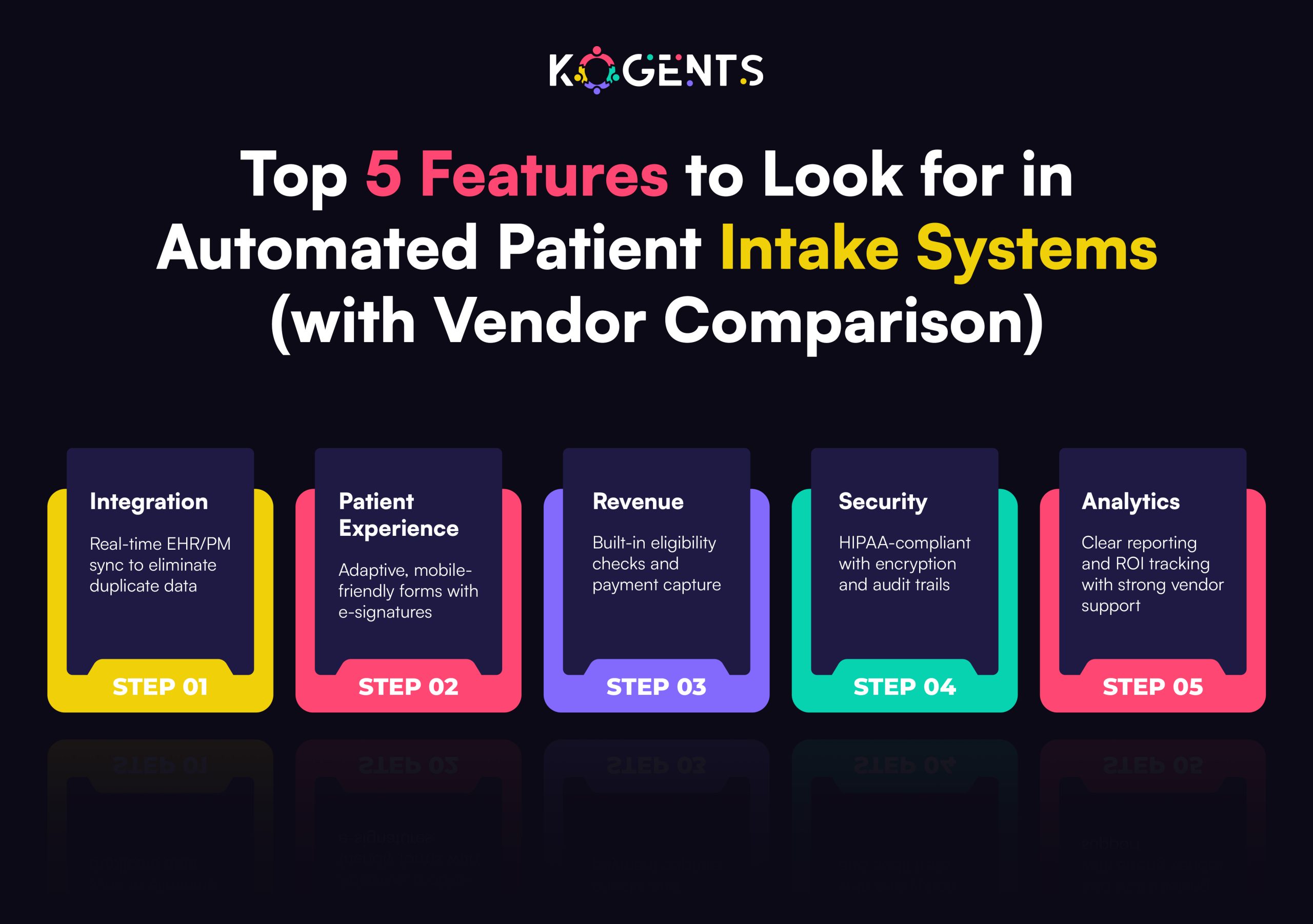
    Automated patient Intake solutions

    They are revolutionizing the way mid-size hospitals manage patient data. 

    These systems are designed to streamline the intake process, reducing administrative burdens and improving patient satisfaction through AI agents for healthcare automation that intelligently handle repetitive intake workflows.

    Key Features of Modern Intake Platforms

    They offer a range of features, including secure data storage and bidirectional integration capabilities.

    These features enable hospitals to efficiently manage patient information and ensure that data is accurate and up-to-date.

    Integration Capabilities with Existing Hospital Systems

    Automated intake systems can integrate with various hospital systems, including PM/EHR systems, through open standards such as HL7, FHIR, CCD, and CSV. 

    This integration enables seamless data exchange, reducing duplicate data entry and improving information consistency across hospital systems.

    Note: mid-size hospitals can enhance their operational efficiency and improve patient care.

    automated patient intake

    Primary Benefits of Implementing Automated Patient Intake

    They are redefining patient care by improving data accuracy and clinical decision-making. 

    These systems ensure that clinicians receive accurate, comprehensive information that enhances care efficiency and improves clinical decisions through intelligent algorithms and seamless data integration.

    Operational Efficiency Improvements

    The automation of patient intake processes significantly reduces manual data entry, allowing healthcare staff to focus on more critical tasks. 

    This shift not only improves operational efficiency but also enhances the overall quality of care.

    Enhanced Patient Experience and Satisfaction

    By streamlining the intake process, automated systems reduce wait times and minimize the administrative burden on patients. 

    One data reveals, ‘’AI could automate 30% of administrative tasks, from note transcription to scheduling. ‘’

    Potential Outcome: This leads to an enhanced patient experience, as patients can quickly and easily provide their information, improving their overall satisfaction with the healthcare service.

    Data Accuracy and Compliance Benefits

    Automated intake systems improve clinical data accuracy by reducing transcription errors through direct patient input. 

    They also support regulatory compliance by standardizing documentation and providing a clear audit trail, which is essential for maintaining high standards in healthcare.

    Benefits Description Impact
    Operational Efficiency Reduced manual data entry Improved staff productivity
    Patient Experience Streamlined intake process Enhanced patient satisfaction
    Data Accuracy Direct patient input Reduced transcription errors
    Regulatory Compliance Standardized documentation Improved audit trail

    Financial Impact Analysis for Mid-Size Hospitals

    The financial impact of automated patient intake on mid-size hospitals is multifaceted, offering both cost savings and revenue enhancements. 

    By adopting automated intake solutions, these hospitals can experience significant financial benefits.

    Direct Cost Savings Opportunities

    Automated patient intake creates tangible outcomes for healthcare organizations, including improved time-of-service collections and online payments. 

    Streamlined intake processes reduce administrative burdens, allowing for more efficient use of resources. 

    Revenue Enhancement Potential

    The benefits of automated patient intake include improved insurance eligibility verification, leading to higher clean claim rates and reduced denials.

    Additionally, accurate patient demographic and insurance data enhance revenue cycle management, supporting more comprehensive charge capture and appropriate service billing.

    Key note: Guidance from the Centers for Medicare & Medicaid Services (CMS) and the Office of the National Coordinator for Health IT (ONC) further emphasizes interoperability, HIPAA compliance, and patient access standards, making automated intake an essential part of modern hospital operations.

    Calculating ROI for Automated Patient Intake Implementation

    This helps hospitals determine their financial impact.

    Initial Investment Considerations

    The initial investment for automated patient intake includes software costs, implementation fees, and training expenses.

    Ongoing Operational Costs

    Ongoing costs comprise maintenance fees, support services, and potential upgrades to the system.

    Expected Return Timeline

    It varies based on implementation complexity, hospital size, and process optimization.

    Key considerations for calculating ROI include:

    • Establishing realistic timeframes for achieving ROI milestones based on implementation complexity and hospital size is a critical step in any healthcare digital transformation initiative.
    • Analyzing which benefits typically materialize first, such as improved patient experience, versus those that require longer-term process changes, helps set accurate expectations.
    • Examining how to create a phased ROI expectation model ensures that digital health workflow improvements are measured as adoption scales.
    • It is equally important to discuss the factors that can accelerate or delay ROI achievement in mid-size hospital environments, including training effectiveness and adherence to HIPAA compliance(Health Insurance Portability and Accountability Act) standards.

    automated patient intake

    Implementation Roadmap for Mid-Size Hospitals

    A well-planned implementation roadmap is crucial for mid-size hospitals adopting automated patient intake solutions.

    Successful deployment involves supporting an organization’s digital front-door strategy and engaging patients at every step of their healthcare journey with native applications and integration capabilities.

    Planning and Assessment Phase

    This initial phase is critical for understanding the hospital’s current intake processes and identifying areas for improvement.

    Deployment Strategies and Best Practices

    Effective deployment strategies include leveraging the right tools and technologies to streamline the intake process.

    Staff Training and Adoption Considerations

    Training staff is a vital component of successful implementation, requiring tailored approaches to meet different needs.

    Case Study Analysis: Successful Automated Patient Intake Implementations

    These implementations in mid-size hospitals have yielded impressive results, including streamlined registration processes, improved communication, and a more seamless digital patient onboarding experience. 

    Successful implementations highlight the importance of transparent payment tracking, accurate, customizable data collection, and convenient EHR integration to save providers and staff time.

    Measurable Outcomes 

    One such case study demonstrates significant reductions in patient wait times and increases in patient visits due to more efficient patient intake processes.

    A mid-size hospital in the Midwest reported a 30% decrease in registration errors and a 25% increase in patient satisfaction scores.

    Lessons Learned and Best Practices

    Key success factors include effective change management strategies, comprehensive staff training, and ongoing optimization of the automated system. 

    As one hospital administrator noted, 

    ‘’Clear communication with patients about the new intake process was crucial to its adoption.’’

    Overcoming Common Implementation Challenges

    Hospitals transitioning to automated patient intake pricing systems must navigate various implementation hurdles. A well-planned strategy is crucial for a smooth transition.

    Technical Integration Hurdles

    One of the primary challenges is integrating the new system with the existing hospital infrastructure under the desired pricing. Ensuring compatibility and seamless data transfer is vital.

    Change Management Strategies

    • Effective change management is critical to the successful adoption of automated patient intake. 
    • This involves comprehensive staff training and clear communication about the benefits and operation of the new system.

    Patient Adoption Considerations

    It is enhanced through user-friendly digital forms and intelligent rules engines that tailor the intake process to individual patients, showing them only relevant questions. 

    Systems that remember where patients left off if interrupted also improve the patient experience.

    To facilitate patient adoption, hospitals should:

    • Identify strategies for introducing patients to new intake processes with minimal disruption.
    • Analyze demographic considerations that may impact patient comfort with digital intake methods.
    • Provide support options for patients who need assistance with technology.
    • Communicate clearly about data privacy and security to build patient trust.
    • Explore the role of staff in encouraging patient adoption and providing necessary guidance.

    According to the American Hospital Association (AHA) and the Agency for Healthcare Research and Quality (AHRQ), improving patient intake and administrative efficiency directly supports better health outcomes and reduces care variability.

    Explore the Strategic Value of Automated Patient Intake With Kogents AI! 

    Automated patient intake systems offer a multifaceted solution for mid-size hospitals aiming to reduce costs and enhance patient engagement. 

    By streamlining the intake process, these systems contribute to the quadruple aim of healthcare: improved patient experience, better outcomes, lower costs, and enhanced clinician experience. 

    This technology is a crucial step in creating a seamless digital front door for hospital services, providing a competitive advantage in an increasingly consumer-driven healthcare market.

    The strategic value of automated patient intake lies in its ability to drive operational efficiency, improve patient satisfaction, and support broader digital transformation strategies. 

    As patient intake technology continues to grow, mid-size hospitals that adopt these solutions early are likely to reap significant benefits, including a compelling ROI.

    But are you ready to transform your intake process? Discover how Kogent AI’s automated patient intake platform can be your administrative partner. So, schedule a demo with Kogents AI today by giving us a call at (267) 248-9454 or dropping an email to info@portal.kogents.ai

    FAQs

    How does automated patient registration improve the healthcare experience?

    By streamlining the registration process, healthcare providers can reduce waiting times, enhance patient satisfaction, and improve overall care.

    What are the benefits of integrating automated systems with existing EHR systems?

    Integration with EHR systems enables seamless data exchange, reduces manual data entry, and improves data accuracy, ultimately enhancing the quality of care.

    How can healthcare organizations ensure a smooth transition to automated patient intake systems?

    Effective change management strategies, comprehensive staff training, and clear communication with patients are crucial for a successful implementation.

    What are the key factors to consider when evaluating the ROI of automated patient intake systems?

    Healthcare organizations should consider initial investment costs, ongoing operational expenses, and potential revenue cycle optimization when assessing the ROI of automated patient intake systems.

    How can automated patient intake systems improve patient engagement and satisfaction?

    By providing a more streamlined and efficient experience, automated patient intake systems can enhance patient experience and engagement, reduce wait times, and improve overall satisfaction.

    What are the common challenges associated with implementing automated patient intake systems?

    Technical integration hurdles, staff adoption, and patient acceptance are common challenges that healthcare organizations may face when implementing automated patient intake systems.

    How can healthcare organizations measure the success of their automated patient intake implementation?

    By tracking key performance indicators such as patient satisfaction, wait times, and data accuracy, healthcare interoperability organizations can assess the effectiveness of their automated patient intake systems.

    What is automated patient intake, and why is it important?

    Automated patient intake replaces paper forms with digital consent forms and workflows, letting patients complete registration online. This streamlines the process, improves data accuracy, and reduces wait times, creating a smoother experience for both patients and staff.

    What are the benefits and best practices for patient intake technology in hospitals?

    Digital intake helps hospitals shorten wait times, improve data accuracy, and boost patient satisfaction. The best approach is a phased rollout with staff training and patient education to make adoption smooth and successful.

    Which platforms or vendors offer automated patient intake integration? 

    Leading solutions include Epic, Phreesia, Clearwave, Well Health, and athenahealth. These platforms integrate with EHR systems and offer digital check-in options to streamline registration and reduce administrative workload.

    How much does it cost, and how do I get started?

    Costs vary based on hospital size and feature needs, but most vendors provide demos and consultations to help plan implementation. Choosing a HIPAA-compliant platform ensures patient data remains secure.

    How do hospitals evaluate ROI and compare solutions?

    Vendor reviews, case studies, and patient intake software reviews and ratings comparisons help decision-makers choose the right solution with the strongest long-term impact.

  • AI Virtual Nursing Assistants Cut Hospital Costs by 40%: Real Case Study

    AI Virtual Nursing Assistants Cut Hospital Costs by 40%: Real Case Study

    Do you know that burnout from endless paperwork is draining nurses and doctors everywhere? The scenario calls for a virtual nursing assistant to help alleviate the load, slashing hospital costs by 40% while adding to the concern for care.

    Enter the AI-powered nursing assistant, a prompt, unique, and much-needed solution that takes over time-consuming administrative tasks, streamlines workflows, and gives staff the freedom to focus on care. 

    In one real case study, hospitals using remote nursing assistants cut the total operational costs by 40% without compromising on other areas of concern, such as staff morale and patient satisfaction.

    This article explores the role of AI in nursing and shows how virtual assistants are already driving meaningful improvements in patient care and daily clinical practice.

    Key Takeaways

    • An AI nurse companion can significantly reduce hospital operational costs.
    • The implementation process involves comprehensive integration into existing healthcare systems.
    • Measurable outcomes include improved patient care and staff satisfaction.
    • Virtual assistants are transforming healthcare delivery models across the United States.
    • The technology addresses critical challenges in healthcare staffing and administrative burden.
    • A significant return on investment is achieved through efficiency gains.

    The Rising Challenges in Healthcare Staffing

    The healthcare sector is grappling with significant staffing issues, primarily driven by physician burnout and the increasing administrative burden associated with Electronic Health Record (EHR) systems. 

    These challenges are not only affecting the well-being of healthcare professionals but also the quality of care provided to patients.

    Physician Burnout and Administrative Burden

    It has become a critical issue, largely due to the excessive administrative tasks that consume a significant portion of their time.

    The American Hospital Association (AHA) has reported that physicians spend more than half their workday on EHR-related tasks, leaving limited time for direct patient care.

    EHR Documentation Burden

    The documentation requirements for EHR systems are extensive, including detailed visit notes, order entry, prescription management, and compliance documentation. 

    For every hour physicians spend with patients, they spend nearly two additional hours on EHR and desk work. 

    With the support of a nurse or virtual nursing assistant, healthcare providers can optimize their workflow. 

    What Are Virtual Nursing Assistants?

    They are revolutionizing healthcare by providing support that is both efficient and cost-effective. They offer a range of services that complement traditional nursing care.

    Definition and Core Functions

    Virtual nursing has become a common practice, providing support through monitoring, coordination, and administrative automation. 

    They are trained to perform duties that do not require on-site personnel, allowing healthcare providers to focus on direct patient care.

    Note: virtual nursing assistants and healthcare providers can better appreciate the benefits they bring to patient monitoring and staffing efficiency.

    The 40% Cost Reduction: Breaking Down the Case Study

    A leading hospital achieved a significant 40% reduction in staffing-related expenses by implementing virtual nursing assistants.

    This transformation was the result of a thorough process that addressed various challenges.

    Hospital Background and Initial Challenges

    A report by the National Library of Medicine(NLM) says that hospital labor costs increased by over one-third between 2019 and 2022, resulting in an additional financial burden of $24 billion. As a result, hospital labor expense per adjusted discharge increased by 24.8%.

    Moreover, recruitment and onboarding costs were also substantial due to high turnover rates.

    Implementation Process and Timeline

    • The implementation of AI-powered healthcare support required a heavy initial investment in technological equipment, training, and integration. 
    • This process was carefully planned and executed to minimize disruptions.

    Detailed Cost Analysis Before and After

    Staffing efficiency costs were reduced by 85%, saving an additional $4.5 million. Overall, the hospital achieved a total annual cost savings of $10.85 million.

    virtual nursing assistant

    How Virtual Nursing Assistants Provide Relief from Burnout and Workload?

    They bring a multitude of benefits to healthcare, enhancing both patient outcomes and staff experiences.

    AI-powered tools can manage complex medication schedules, helping nurses avoid errors and reduce the mental burden of tracking multiple treatments at once. In addition to supporting clinical accuracy, this kind of automation can significantly reduce costs for healthcare systems. Medication-related inefficiencies are estimated to cost up to $528 billion annually.

    The fact clearly depicts how virtual AI assistants have revamped the entire industry and are taking over human resources. 

    Reduced Operational Expenses

    Healthcare facilities can significantly improve by leveraging virtual nursing assistants. 

    This is achieved through decreased labor costs and improved resource allocation, resulting in cost savings.

    Improved Staff Efficiency and Satisfaction

    With virtual nursing assistants handling administrative and documentation tasks, nursing staff can focus more on direct patient care. 

    ‘’54% of nurses say they look forward to using AI in their jobs.’’

    This leads to improved staff efficiency and satisfaction, which reduces burnout rates, as nurses can devote more time to their core responsibilities.

    Enhanced Patient Care Quality

    Care coordination improves as virtual assistants actively manage referrals, follow-ups, and transitions between care settings.

    Besides, clinical outcomes show measurable improvement, particularly for chronic disease management, as monitoring becomes more consistent.

    The implementation of virtual nursing assistants enhances patient care by offering real-time assistance with 

    • timely reminders
    • comprehensive discharge planning
    • personalized patient education. 

    Key Achievement: When integrated into telehealth nursing programs, these capabilities drive higher patient satisfaction scores and better clinical outcomes.

    Benefits Impact
    Patient Satisfaction 15-20% increase
    Response Times 60% decrease
    Medication Compliance Improved through timely reminders
    Readmission Rates 12-18% reduction

    ai virtual nursing assistant

    Core Services Provided by Virtual Nursing Assistants

    Key point:  They bridge the gap between physicians and patients, ensuring that patient inquiries are addressed promptly.

    Administrative and Documentation Tasks

    They are pro at handling administrative tasks, including managing patient records and documentation, thereby reducing the burden on healthcare staff. 

    One fact reveals, ’AI could automate 30% of administrative tasks, from note transcription to scheduling.’’

    Patient Monitoring and Follow-up

    They monitor patients’ conditions and follow up on their progress, ensuring timely interventions and adjustments to care plans as needed.

    Care Coordination and Communication

    Virtual nursing assistants facilitate seamless communication and coordination among healthcare teams, ensuring that patients receive comprehensive and cohesive care.

    The services provided by virtual nursing assistants include:

    • Facilitating communication between patients and the healthcare team through black Care coordination, ensuring questions are addressed promptly.
    • Coordinating care transitions between departments, facilities, and care settings to ensure continuity of care.
    • Coordinating diagnostic testing, including scheduling, preparation instructions, and results follow-up.
    • Medication management coordination, including working with pharmacies, insurance companies, and providers to ensure access to prescribed treatments while maintaining black HIPAA compliance.
    • Managing referrals to specialists and community resources, tracking completion, and gathering results.
    • Leveraging black voice bot triage and black remote patient engagement tools further strengthens these processes, ensuring timely support and improved patient outcomes.
    • Serving as a central point of contact for patients navigating complex healthcare systems improves the overall experience.

    Appointment Scheduling and Management

    Virtual medical receptionists efficiently manage appointment scheduling, reducing no-show rates and optimizing the healthcare provider’s schedule. 

    They send reminders and notifications to patients about upcoming appointments.

    Patient Intake and Information Processing

    Virtual assistants collect and process patient information, including demographic details, insurance information, and medical histories. 

    This information is then accurately recorded in the electronic health record, making it readily accessible to clinical staff. 

    Some key tasks include: 

    • Managing the pre-visit information collection process by sending and receiving digital forms before appointments.
    • Processing new patient registration and ensuring all required documentation is complete. 
    • Managing consent forms and other required documentation to ensure compliance.
    • Virtual assistants help address the nursing shortage solutions challenge by reducing administrative burden. 
    • They also support clinical decision support systems by ensuring accurate and up-to-date patient data is available. 
    • Through healthcare AI tools, these assistants improve efficiency and reliability in documentation. 
    • Most importantly, they enhance nurse-patient communication, allowing clinical staff to dedicate more time to direct patient care.

    Telehealth Support Services

    Virtual assistants significantly enhance care across various healthcare settings by providing additional support during peak times or staff shortages.

    Pre-visit Preparation

    Virtual assistants can assist with pre-visit planning, ensuring that patients are well-prepared for their telehealth appointments. 

    This includes gathering necessary information and providing patient education.

    Post-visit Documentation and Follow-up

    After the telehealth visit, virtual assistants complete documentation and process orders generated during the visit. 

    They also conduct follow-up calls to assess treatment response and address any new or ongoing concerns, improving care and patient satisfaction.

    • Virtual assistants complete documentation during and immediately after telehealth visits, ensuring comprehensive and timely records. This reduces the burden of nursing documentation support while maintaining accuracy and compliance.
    • Virtual support also contributes to hospital workflow optimization by streamlining scheduling of follow-up appointments and coordinating referrals to specialists when needed.
    • They provide patients with visit summaries, including diagnosis, treatment plan, and next steps in their care.
    • They conduct follow-up calls to assess treatment response and address ongoing concerns, further enhancing 24/7 patient support and continuity of care.

    HIPAA Compliance and Data Security

    Ensuring the security and privacy of patient data is crucial in healthcare, particularly with the integration of AI agents for healthcare automation, such as virtual nursing assistants, which handle large volumes of sensitive clinical information.

    These assistants handle sensitive patient information, making HIPAA compliance and data security paramount.

    Soft reminder: Virtual nursing assistants must adhere to stringent data security protocols to maintain patient trust.

    Security Protocols and Safeguards

    Virtual nursing platforms implement robust security protocols, including automated compliance monitoring tools and regular audits to identify potential security concerns.

    These measures ensure the confidentiality, integrity, and availability of patient data. The use of advanced technology helps to safeguard patient information.

    Staff Training and Compliance Monitoring

    • Virtual nursing staff undergo comprehensive HIPAA training before accessing patient information. 
    • They also participate in regular refresher training to stay updated on compliance requirements.
    • Compliance monitoring includes regular performance evaluations with specific privacy and security metrics.

    Integration with Existing Hospital Systems

    This integration ensures that virtual assistants can effectively support hospital staff without disrupting existing workflows.

    Compatibility with EHR/EMR Systems

    Virtual nursing assistants must be compatible with Electronic Health Record (EHR) and Electronic Medical Record (EMR) systems. 

    Compatibility ensures that patient data is accurately and efficiently managed, reducing the administrative burden on hospital staff.

    Workflow Optimization Strategies

    To improve efficiency, virtual nursing assistants implement various workflow optimization strategies. These include:

    • Comprehensive process mapping to identify inefficiencies
    • Streamlining communication pathways to reduce delays
    • Implementing standardized protocols for routine tasks
    • Utilizing automation for repetitive tasks, such as documentation templates
    • Analyzing workflow data to identify bottlenecks and implement targeted interventions

    Implementation Outcomes: Hospitals can achieve significant efficiency improvements, typically seeing 20-30% improvements within the first six months of implementation. 

    Implementation Process for Virtual Nursing Assistants

    Effective implementation of virtual nursing assistants involves several key phases, ensuring a seamless integration into existing healthcare systems.

    Assessment and Planning Phase

    This initial phase involves assessing the hospital’s current staffing and operational needs, followed by planning the integration of virtual nursing assistants.

    Training and Onboarding

    They are crucial for the successful adoption of virtual nursing assistants, including change management strategies like regular town halls and daily huddles.

    Monitoring and Optimization

    Post-implementation monitoring includes tracking key performance indicators. Data analysis identifies patterns to guide optimization efforts, ensuring the virtual nursing program meets its established goals.

    • Post-implementation monitoring includes tracking key performance indicators established during the planning phase.
    • Daily huddles during initial implementation allow for rapid identification and resolution of emerging issues.
    • Data analysis identifies patterns in utilization, efficiency, and outcomes to guide optimization efforts.
    • Regular feedback sessions with staff and virtual assistants provide qualitative insights to complement quantitative metrics.
    • Continuous improvement processes address workflow inefficiencies and technical limitations identified during monitoring.
    • System optimization includes refining protocols, templates, and automation based on real-world experience.
    • Regular performance reviews evaluate the virtual nursing program against established goals and identify opportunities for expansion.

    Measuring ROI and Performance Metrics

    To assess the effectiveness of virtual nursing assistants, measuring their return on investment (ROI) is essential. 

    This involves analyzing both the direct financial benefits and the broader impact on healthcare delivery.

    Key Performance Indicators to Track

    Several key performance indicators (KPIs) are crucial for evaluating the success of virtual nursing assistants. 

    These include;

    • cost savings
    • patient readmission rates
    • staff efficiency improvements

    Long-term Financial Impact Analysis

    A comprehensive financial analysis extends beyond immediate cost savings to evaluate the sustained impact over 3-5 years.

    This includes assessing the initial implementation costs, ongoing operational expenses, and projected savings over time. 

    • Long-term financial analysis considers sustained impact over 3-5 years.
    • Financial models account for initial investment and ongoing operational costs.
    • Productivity improvements are monetized by calculating increased capacity and throughput.
    • Sensitivity analysis evaluates changes in key variables affecting financial performance and ROI.

    Overcoming Implementation Challenges

    The integration of virtual nursing assistants into healthcare facilities is not without its challenges, including technical and staff-related issues. 

    A phased implementation approach, starting with medical-surgical units before expanding to specialty departments, can help mitigate these challenges.

    Staff Resistance and Change Management

    Staff resistance is a common challenge when introducing new technologies. 

    Effective change management strategies, including comprehensive training and clear communication about the benefits of virtual nursing assistants, can help alleviate staff concerns and foster a smoother transition.

    Technical Integration Issues

    Technical integration challenges often arise when virtual nursing platforms are incompatible with existing systems. 

    Ensuring compatibility and developing custom interfaces or middleware solutions can facilitate data exchange between virtual nursing platforms and legacy systems.

    The following table highlights key technical integration challenges and potential solutions:

    Challenge Description Potential Solution
    Compatibility Issues Incompatibility between virtual nursing platforms and existing systems. Custom interfaces or middleware solutions.
    Network Infrastructure Limitations Limited network bandwidth is affecting performance, particularly for video-based applications. Upgrading network infrastructure to support higher bandwidth requirements.
    Security Requirements Ensuring data security and compliance with regulations. Implementing robust security protocols and conducting regular compliance monitoring.
    Data Standardization Lack of standardization across different systems. Developing and implementing standardized data formats and protocols.

    By understanding these challenges and implementing appropriate solutions, healthcare organizations can successfully integrate virtual nursing assistants into their existing systems, enhancing patient care and operational efficiency.

    Future of Virtual Nursing in Healthcare

    The future of virtual health support is being shaped by emerging technologies and AI advancements, which are enhancing the capabilities of virtual nursing assistants.

    Emerging Technologies and AI Advancements

    Technological innovations are transforming virtual nursing, enabling more complex clinical decision-making and improving patient outcomes. 

    AI-powered nurse assistants are being integrated into virtual nursing platforms to provide predictive insights and early intervention opportunities.

    Expanding Roles and Responsibilities

    Virtual nurses are taking on increasingly complex roles, including specialized care coordination and population health management. 

    Their responsibilities now encompass a broader scope of practice, including patient education, medication counseling, and after-hours support.

    Transform Healthcare Delivery with Virtual Nursing Assistants

    Virtual nursing assistants are revolutionizing healthcare delivery by addressing critical challenges related to cost, quality, and access. 

    The case study demonstrates a significant reduction in operational costs by 40% while maintaining or improving care quality. 

    Healthcare staff benefit from reduced administrative burden, allowing them to focus on direct patient care.

     As technology advances, the capabilities of virtual nursing assistants will expand, positioning organizations for success in the evolving healthcare landscape.

    The scalability of virtual nursing solutions makes them adaptable to various healthcare settings. 

    By embracing virtual nursing, organizations can enhance patient experience through improved responsiveness and care coordination. In this regard, Kogents can be your partner. So, give us a call at (267) 248-9454 or drop an email at info@portal.kogents.ai

    FAQs

    What are the primary benefits of using virtual nursing assistants in healthcare?

    The primary benefits include reduced operational expenses, improved staff efficiency and satisfaction, and enhanced patient care quality. By automating administrative tasks, healthcare providers can focus more on patient care.

    How do virtual nursing assistants differ from traditional nursing staff?

    Virtual nursing assistants provide support remotely, handling tasks such as administrative duties, patient monitoring, and care coordination, whereas traditional nursing staff work directly with patients on-site.

    Can virtual nursing assistants help with patient monitoring and follow-up?

    Yes, they can. Virtual nursing assistants can track vital signs, analyze data, and provide early intervention opportunities, improving patient outcomes and reducing hospital readmissions.

    How do virtual nursing assistants ensure HIPAA compliance and data security?

    They implement robust security protocols, staff efficiency, and compliance monitoring to safeguard patient data and maintain HIPAA compliance.

    What is the implementation process for integrating virtual nursing assistants into existing healthcare systems?

    The process involves assessment and planning, training and onboarding, and ongoing monitoring and optimization to ensure seamless integration and maximum benefit.

    How can healthcare organizations measure the ROI of virtual nursing assistants?

    By tracking key performance indicators such as cost savings, staff efficiency, patient satisfaction, and long-term financial impact analysis.

    What is a virtual nursing assistant, and how does it work?

    An AI-powered system that supports nurses by handling routine tasks such as symptom checking, patient triage, appointment reminders, and basic health education. It works through natural language processing and real-time assistance, allowing patients to interact via chat, phone, or apps.

    How does a virtual nursing assistant reduce nurse workload?

    By automating repetitive administrative and clinical tasks, virtual assistants free up nurses’ time for direct patient care. They handle patient inquiries, streamline documentation, and support early detection of health issues, reducing burnout and improving efficiency.

    What are the key benefits of virtual nursing assistants for hospital staff? 

    Virtual assistants improve staff efficiency, reduce administrative burden, enhance patient engagement, and provide real-time monitoring support. For staff, this translates into reduced stress, fewer missed alerts, and more time for critical patient interactions.

    Who are the leading vendors of virtual nursing assistant solutions in the U.S.?

    Top vendors include companies like Sensely, Nuance (Microsoft), Orbita, and Care Angel. These platforms differ in features such as integration with EHRs, conversational AI sophistication, and patient engagement tools.

    Where can I find official guidelines or definitions for virtual nursing?

    The Agency for Healthcare Research and Quality (AHRQ) and the American Nurses Association (ANA) publish definitions and principles on virtual nursing. The ANA’s official PDF on virtual nursing outlines ethical standards, best practices, and professional guidelines.

  • Transforming Customer Journey with Agentic AI in Customer Experience

    Transforming Customer Journey with Agentic AI in Customer Experience

    Imagine a world where your customer experience is not just responsive, but proactive. Where your needs are anticipated, and solutions are delivered before you even realize you need them. 

    Well, this is no longer a futuristic dream, but a reality being shaped by agentic AI in customer experience.

    Agentic AI systems can handle complex tasks, combine processes, and navigate problems without supervision, revolutionizing the way businesses interact with their customers. 

    By enabling autonomous problem-solving and proactive service delivery, companies can now create seamless customer journeys that adapt in real-time to changing circumstances and individual preferences. 

    So, if you are looking for something like that, then this blog is for you! 

    Key Takeaways

    • Discover how agentic AI enables proactive customer service, anticipating needs before they arise.
    • Explore the potential of AI systems that independently connect multiple processes and take action across various platforms.
    • Learn how leading organizations leverage agentic AI for seamless customer journeys that adapt to changing circumstances.
    • Understand the shift from reactive to proactive customer service AI agent models.
    • Gain insights into how agentic AI differs from traditional AI solutions and its impact on customer experience.

    Agentic AI: All Beyond Traditional AI Solutions! 

    You’re probably familiar with traditional AI solutions, but agentic AI represents a new frontier in AI technology, designed to transform customer interactions

    The moment you step into the world of agentic AI, you’ll discover how it’s revolutionizing the way businesses approach customer experience, making it more personalized and proactive.

    Additionally, it is not just about processing data or generating responses, but:

    • creating systems that can act autonomously
    • making decisions based on context and 
    • past interactions 
    Note: This autonomy is what sets agentic AI apart from its more traditional counterparts.

    What Is Agentic AI? 

    It refers to systems that are capable of independent action, driven by advanced machine learning models and significant data processing capabilities. 

    • These systems can interpret context, learn from past interactions, and adjust their responses accordingly, all without requiring constant human intervention.
    • The capabilities of agentic AI are vast, ranging from controlling complex systems to communicating with third parties.
    • This enables businesses to provide a more seamless and efficient customer experience, as agentic AI can handle a wide range of tasks, from simple queries to complex problem-solving.

    Agentic vs. Generative AI: Key Differences

    While generative AI is focused on creating new content based on prompts, agentic AI takes a more holistic approach. 

    It uses generative capabilities as just one tool among many, combining them with contextual understanding and machine learning to achieve autonomous action. 

    A report by McKinsey suggests that nearly eight in ten companies have deployed gen AI in some form, but roughly the same percentage report no material impact on earnings.1 We call this the “gen AI paradox.”

    Characteristics Agentic AI Generative AI
    Primary Function Autonomous action and decision-making Content generation based on prompts
    Contextual Understanding Interprets context and adjusts actions accordingly Limited to generating content based on input
    Learning and Adaptation Learns from past interactions to improve future actions Improves based on the data it’s trained on

    agentic ai in customer experience

    The Impact of Agentic AI in Customer Experience

    Agentic AI’s capabilities are enabling businesses to shift from a reactive to a proactive customer service model. 

    By leveraging this technology, companies can now anticipate and resolve customer issues before they become major problems, significantly enhancing the overall customer experience.

    When deployed intelligently, agentic AI allows brands to proactively; 

    • Solve problems
    • Deliver hyper-personalized interactions
    • Create seamless experiences at scale, 
    • Build trust and loyalty with deeper emotional connections. 

    Our research showed that 72% of executives believe AI will transform their approach to customer experience, while 69% expect it to significantly or completely change the way their industry operates over the next three years.

    From Reactive to Proactive Customer Service

    The traditional customer service model is reactive, responding to customer complaints and issues as they arise. 

    Agentic AI is transforming this model by enabling businesses to anticipate and address potential problems before they impact customers.

    This proactive approach not only improves customer satisfaction but also reduces the workload for customer support agents, allowing them to focus on more complex issues.

    By detecting potential issues in real-time and initiating resolution processes autonomously, agentic AI systems can significantly reduce the need for customers to report problems. 

    Need for it? This proactive service is revolutionizing the customer experience by providing timely and relevant support, thereby enhancing customer trust and loyalty.

    Autonomous Problem-Solving Capabilities

    It enables it to navigate complex customer issues by connecting information across multiple systems and data sources. 

    This allows businesses to deliver hyper-personalized interactions tailored to individual customer preferences, behaviors, and history. 

    As a result, companies can create seamless, human-centric experiences at scale that would be impossible to deliver through traditional service models.

    Leading organizations are using agentic AI to build deeper customer trust and loyalty by demonstrating that they truly understand and value their customers. 

    agentic AI in customer experience

    How Agentic AI in Customer Experience Transforms the Customer Journey

    The integration of agentic AI in customer experience is transforming how businesses interact with their customers. 

    By leveraging AI agents that can act autonomously, companies can now provide more personalized and proactive customer service.

    Pre-Purchase: Personalized Recommendations and Assistance

    Agentic AI revolutionizes the pre-purchase phase by delivering highly personalized recommendations based on individual preferences, browsing history, and similar customer profiles

    This not only enhances the customer experience but also increases the likelihood of conversion.

    Example:  AI can analyze customer data to suggest relevant products or services, making the shopping experience more intuitive and engaging. 
    Benefits Description
    Personalized Recommendations AI analyzes customer data to suggest relevant products or services.
    Enhanced Customer Experience Tailored experiences increase customer satisfaction and engagement.

    The Purchase Phase: Streamlining Transactions and Decisions

    During the purchase phase, agentic AI streamlines transactions and simplifies complex decisions

    By providing real-time assistance that adapts to customer needs, AI helps remove friction points, making the purchase process smoother.

    Exemplary Reminder: AI-powered chatbots can answer customer queries instantly, reducing the time spent on resolving issues and improving overall service quality.

    Post-Purchase: Proactive Support and Issue Resolution

    Here, agentic AI enables proactive support and issue resolution. AI can identify potential problems before they affect customers, allowing for timely intervention.

    This proactive approach not only resolves issues quickly but also enhances customer experiences by demonstrating a company’s commitment to their satisfaction.

    • Proactive issue detection and resolution
    • Enhanced customer satisfaction through timely support
    • Improved overall customer experience
    In-depth Analysis: As companies continue to adopt AI-driven solutions, the future of customer experience looks increasingly promising.

    Real-World Applications of Agentic AI in Customer Experience

    In e-commerce and retail, agentic AI is being used to recover abandoned carts, personalize product recommendations, and manage inventory in real-time. 

    For instance, agentic AI systems can automatically send reminder emails or offer personalized discounts to customers who have left their carts unattended. 

    Additionally, these systems can analyze real-time supply data to automatically reorder stock and notify customers about new inventory arrivals.

    • Personalized product recommendations based on customer behavior and preferences
    • Automated inventory management to prevent stockouts and overstocking
    • Proactive customer support through timely reminders and notifications

    Financial Services Applications

    In financial services, agentic AI is being used for:

    • fraud detection
    • personalized financial advice
    • streamlined application processes
    • analyze customer data to identify potential security threats and prevent fraudulent activities. 
    • Personalized financial planning and advice for customers
    • Streamlined application processes for loans and credit cards

    Additional Key benefits: Moreover, these systems can offer customized financial recommendations based on a customer’s financial history and goals.

    Travel and Hospitality Implementations

    In this scenario, agentic AI systems can make bookings across multiple websites and systems, bundle up detailed itineraries, and even update customers about flight delays or cancellations.

    • Seamless booking experiences across multiple platforms
    • Proactive itinerary management to minimize disruptions
    • Personalized travel recommendations based on customer preferences

    Implement Agentic AI in Your Customer Experience Strategy

    Implementing agentic AI requires a thoughtful approach that aligns with your customer experience goals. 

    As you proceed further on this journey, it’s essential to consider several key factors that will influence the success of your agentic AI implementation.

    Assessing Your Organization’s AI Readiness

    Before diving into agentic AI, you need to assess your organization’s readiness. This involves examining your existing data infrastructure, technical capabilities, and organizational culture. 

    Your organization’s AI readiness is crucial in determining how effectively you can implement and benefit from agentic AI. Consider the following factors:

    • Data quality and availability
    • Technical infrastructure and scalability
    • Employee skills and training needs
    • Organizational culture and adaptability

    Building the Right Data Infrastructure

    Agentic AI is only as powerful as the data it consumes. To deliver value, agentic AI needs access to high-quality, relevant customer and operational data. Building the right data infrastructure is critical. This may involve:

    • Data integration across silos and platforms
    • Data quality improvement initiatives
    • Establishing data governance policies

    One of the key advantages of using a platform like Genesys Cloud AI is its pre-built, contextualized data systems. 

    Key point: These systems can eliminate the heavy lifting typically required for AI readiness, allowing you to rely on the provider to do the hard work for you.

    Integration with Existing Customer Service Systems

    Seamless integration with your existing customer service systems is vital to avoid disruption to current processes. 

    This includes integrating agentic AI with your CRM, ticketing systems, and other customer touchpoints. 

    A well-planned integration strategy ensures that agentic AI enhances your customer experience without causing operational disruptions.

    Integration Considerations Benefits
    API connectivity Enables seamless data exchange between systems
    Workflow automation Streamlines customer service processes
    Data synchronization Ensures consistency across all customer touchpoints

    Balance Automation and Human Touch Simultaneously

    As you integrate agentic AI into your customer experience strategy, finding the right balance between automation and human touch becomes crucial. 

    The goal is to leverage AI for efficiency while maintaining the emotional connection that human agents provide.

    Deploying AI agents can actually bolster human connection by handling mundane, day-to-day tasks involved in customer support. 

    This frees up human agents to focus on complex, emotionally nuanced interactions where the human touch is necessary.

    The Human-AI Collaboration Model

    In this model, AI handles routine, data-intensive tasks, while humans focus on tasks that require empathy and complex problem-solving. 

    For instance, AI can manage initial customer inquiries, providing quick responses to common questions. 

    Meanwhile, human agents can step in to resolve more intricate issues, offering personalized support.

    By dividing tasks in this manner, companies can create a seamless customer experience that combines the strengths of both AI and human agents. 

    Ethical Considerations and Trust Building

    As agentic AI becomes more embedded in customer service, ethical concerns around data privacy and transparency come to the forefront. 

    To build trust, businesses must be transparent about AI use, protect customer data diligently, and clearly inform users how their data is being used.

    By prioritizing these ethical considerations, companies can create AI-powered experiences that customers trust. 

    This involves maintaining options for human interaction when preferred and ensuring consistent performance.

    Key Considerations Benefits Implementation Strategies
    Balancing AI and Human Touch Enhanced Customer Experience Divide tasks between AI and humans based on complexity and emotional nuance.
    Ethical AI Use Building Customer Trust Ensure transparency, protect customer data, and maintain human interaction options.
    Data Privacy Compliance and Trust Implement robust data protection measures and clearly communicate data use.

    Transform Your Customer Experience with Agentic AI Today! 

    As businesses look to transform their customer journeys, the role of agentic AI in customer experience has been enhanced and cannot be overstated. 

    As agentic AI continues to evolve, it will orchestrate entire customer journeys across multiple touchpoints and systems, enhancing customer interactions and driving business growth. 

    To capitalize on this transformative potential, businesses must prepare for the integration of agentic AI into their customer experience strategies, ensuring they can deliver exceptional customer experiences that drive long-term success. 

    So, for a secure future, collaborate with Kogent AI now. Please call us at (267) 248-9454 or email us at info@portal.kogents.ai

    FAQs

    What is the primary benefit of using agentic systems for customer service?

    The primary benefit is the ability to provide autonomous problem-solving capabilities, allowing for faster and more efficient issue resolution.

    How do agentic AI systems handle complex customer queries?

    Agentic AI systems use natural language processing to understand and respond to complex customer queries, providing accurate and relevant solutions.

    Can agentic AI be integrated with existing customer service systems?

    Yes, agentic AI can be integrated with existing customer service systems, enabling a seamless and efficient customer experience.

    How does agentic AI impact inventory management and order fulfillment?

    Agentic AI can help optimize inventory management and order fulfillment by providing real-time updates and automating routine tasks.

    What are some common use cases for agentic AI in e-commerce?

    Common use cases include personalized recommendations, proactive support, and streamlining transactions.

    How can businesses ensure trust and transparency when implementing agentic AI?

    Businesses can ensure trust and transparency by being open about their use of agentic AI, providing clear explanations of how it works, and ensuring that human agents are available to handle complex issues.

  • Scaling Customer Support With AI Agents in Customer Support Challenges

    Scaling Customer Support With AI Agents in Customer Support Challenges

    Ever imagined how scaling your customer support operations without sacrificing quality or personalization in every interaction would be done? 

    With the rise of AI-powered support agents, this is possible as routine tasks can now be automated, giving human teams the freedom to focus on complex issues and deliver optimum results. 

    Additionally, delivering outstanding customer experience has become a paramount factor for business growth and long-term loyalty.

    Yet, traditional methods often fall short, bogged down by repetitive work and slow response times.

    This is where AI agents in customer support challenges make a real difference, helping businesses improve efficiency, resolve queries faster, and stay ahead in a demanding market.

    Key Takeaways

    • Understand the current state of customer support and its challenges.
    • Learn about the different types of AI agents that can support your customers.
    • Discover effective strategies for implementing AI agents in your customer support operations.
    • Explore real-world success stories of businesses that have transformed their customer support with AI agents.
    • Gain insights into maintaining quality and personalization in customer interactions with AI agents.

    What Is the Role of AI Agents in Customer Support 

    Challenges

    As you explore the potential of AI in customer support, it’s essential to understand the role of AI agents. 

    AI agents function like employees with specific skill sets, leveraging knowledge about an organization’s products, customers, and people to autonomously complete tasks and save humans time.

    What Are AI Agents and How Do They Work?

    Customer service AI agents are designed to effectively understand and respond to customer inquiries. They use advanced natural language processing to comprehend customer queries in context, regardless of how they’re phrased.

    By 2028, 33% of enterprise software applications will include agentic AI, up from less than 1% in 2024, enabling 15% of day-to-day work decisions to be made autonomously.

    This ability allows AI agents to provide personalized responses based on customer history, enhancing the overall customer experience.

    A Technological Leap: From Basic Chatbots to Intelligent AI Agents

    This growth has been significant, moving from simple chatbots that relied on keyword matching to sophisticated agents that can understand nuanced requests and detect sentiment. 

    Modern AI agents can maintain conversation context and remember previous interactions, providing a more human-like experience, though AI support agent limitations still exist in areas such as empathy and complex problem-solving. 

    Studies such as the Harvard Business School research emphasize that while AI systems can mimic empathy, customers still strongly value genuine human connection.

    Key Impact: It represents a fundamental shift from programmed responses to intelligent conversation management.

    Feature Basic Chatbots Intelligent AI Agents
    Understanding Customer Queries Rely on keyword matching Use advanced natural language processing.
    Response Capability Limited to predetermined scripts Can provide personalized responses based on customer history.
    Conversation Management Programmed responses Intelligent conversation management

    What Types of AI Agents Are Reshaping Customer Support

    Customer support is being redefined by the introduction of various AI agents that cater to different business needs. 

    These AI-powered solutions are designed to:

    • Customer experience
    • Improve operational efficiency, 
    • Provide valuable insights to businesses.

    Autonomous Agents Or Independent Problem Solvers? 

    They are AI-driven systems that can independently resolve customer issues without human intervention.

    These agents use advanced algorithms to understand customer queries and provide accurate solutions. 

    By leveraging natural language processing (NLP), autonomous agents can effectively address a wide range of customer concerns, reducing the workload on human support teams and enabling them to focus on more complex issues.

    Augmented Agents: AI Copilots for Human Support Teams

    They serve as AI copilots for human support teams, enhancing their capabilities and improving response times. 

    Key point: These agents provide real-time suggestions and insights to support agents, enabling them to resolve customer issues more efficiently. 

    By analyzing customer interaction data, augmented agents can identify common issues and offer proactive solutions, thereby improving customer satisfaction.

    Analyst Agents: Turn Data into Actionable Insights

    They specialize in data analysis, deriving actionable business insights from vast amounts of customer interaction data. 

    These AI agents in customer support challenges can monitor sentiment in customer conversations, proactively alert teams about potential SLA breaches, and provide valuable insights with simple natural language prompts. 

    Some key benefits of analyst agents include:

    • Processing vast amounts of customer interaction data to identify patterns, trends, and insights that would be impossible to detect manually.
    • Performing sentiment analysis across customer conversations to gauge satisfaction levels and identify potential churn risks.
    • Automatically categorizing and clustering similar customer issues, helping your team identify common problems that need product or process improvements.
    • Transforming raw support data into actionable business intelligence, enabling data-driven decision-making across your organization.

    Soft Reminder:  The integration of data from an organization’s existing tech stack, analyst agents offer a comprehensive Customer360, enabling businesses to make informed decisions and generate reports in seconds using natural language queries.

    ai agents in customer support challenges

    Key Benefits of Implementing AI Agents

    The integration of AI agents into customer support operations brings significant advantages, transforming the way businesses interact with their customers.

    Enhancing Efficiency and Response Times

    AI agents significantly enhance the efficiency of customer support operations by providing immediate responses to customer inquiries. 

    This reduces wait times, allowing your customers to get the help they need quickly. 

    With AI handling initial inquiries, your human support team can focus on more complex issues, thereby improving overall response times and enhancing the customer experience.

    Reducing Operational Costs

    • Implementing AI agents can lead to substantial cost savings for your business. 
    • By automating routine support tasks, you can reduce the workload on your human support agents, allowing you to allocate resources more effectively. 

    Cost Saving Tip: This cost-effective approach to customer support enables you to maintain high service levels while minimizing operational expenses.

    Improving Customer Satisfaction and Loyalty

    AI agents contribute to improved customer satisfaction by offering 24/7 support availability, consistent information, and personalized experiences. 

    Customers appreciate the immediate responses and the ability to get help on their schedule. 

    Moreover, AI agents can identify potential issues before they become major problems, demonstrating your commitment to customer success. 

    This proactive approach not only enhances customer satisfaction but also fosters customer loyalty, leading to higher retention rates and increased customer lifetime value.

    • Customers benefit from immediate responses and reduced wait times, improving overall satisfaction.
    • The consistency of information provided by AI agents builds trust in your service quality.
    • Personalized experiences, thanks to AI remembering past interactions, make customers feel valued.
    • Proactive support identifies potential issues before they escalate, demonstrating your commitment to customer success.

    Navigate Implementation Challenges

    As you integrate AI into your customer support operations, you’ll need to address several key implementation challenges. 

    The successful deployment of AI agents can significantly enhance your customer support capabilities, but it requires careful planning and execution.

    Balancing Automation with the Human Touch

    One of the primary challenges is striking the right balance between automation and human interaction, as automation issues in customer service often arise when systems replace empathy with efficiency.

    • While AI can efficiently handle routine inquiries, complex issues often require a human touch. 
    • Ensuring that your AI system can seamlessly escalate issues to human representatives when necessary is crucial. 

    Pro-Pro Tip: Balance is key to maintaining high levels of customer satisfaction while leveraging the efficiency of AI.

    Data Security and Privacy Concerns

    They are significant concerns when implementing AI agents. These systems often require access to sensitive customer data to function effectively. 

    Compliance with U.S. frameworks such as the CCPA and the NIST AI Risk Management Framework is critical to maintaining trust and ensuring responsible AI deployment.

    • Soft Reminders: Implementing robust security measures to protect this data is essential. 
    • Ensure compliance with relevant data protection regulations, such as GDPR or CCPA, depending on your region and customer base.

    Technical Integration with Existing Systems

    Integrating AI agents with your existing CRM, ticketing systems, and knowledge bases requires careful planning and technical expertise. 

    API compatibility and data standardization across platforms are critical challenges that must be addressed during implementation. 

    You may need to evaluate whether to build custom integrations or use middleware solutions that connect AI capabilities with existing infrastructure.

    To overcome these technical hurdles, consider; 

    • leveraging API-based integrations 
    • and middleware solutions that facilitate seamless data exchange between systems. 

    Best Practices for AI Agent Deployment

    The AI-agent integration in customer service hinges on a well-planned strategy that considers both customer needs and operational requirements. 

    To ensure the effective integration of AI into customer support, several best practices should be adopted.

    Creating a Comprehensive Implementation Strategy

    Developing a comprehensive implementation strategy is crucial for the successful deployment of AI agents, especially when implementing AI support agents in the U.S.

    This involves establishing clear objectives, defining the scope of AI deployment, and identifying key performance indicators (KPIs) to measure success. 

    By doing so, you can ensure that AI agents are aligned with your customer support goals and that their impact is accurately assessed.

    Training Your Team to Work Alongside AI

    To maximize the benefits of AI agents, it’s essential to train your support team to work effectively alongside them. 

    This includes providing training on AI capabilities, understanding AI-driven insights, and learning how to seamlessly hand off customer issues between AI and human agents. 

    Measuring Success and Continuous Improvement

    Assessing the success of AI agents requires a data-driven approach. Key metrics to evaluate include accuracy, resolution rates, and customer satisfaction scores. To continuously improve AI performance, you should:

    • Establish comprehensive metrics that measure both operational efficiency and customer experience.
    • Implement regular review cycles to analyze AI performance data and identify areas for improvement.
    • Create feedback loops that incorporate input from customers and support agents to refine AI capabilities.
    • Monitor containment rates and successful handoffs to human agents.
    • Use A/B testing to evaluate different AI approaches and determine the best strategies for your service AI agent base. 

    ai agents in customer support challenges

    Real-World Success Scenario

    A notable company implemented AI copilots to assist their 500+ support agents, resulting in a 42% increase in first-contact resolution rates. 

    Large-scale deployments are evident in enterprises like Salesforce, where its AI platform Agentforce has demonstrated how copilots can enhance agent efficiency and customer satisfaction at scale.

    This not only enhanced agent productivity but also improved customer satisfaction by 18% as agents could focus on building rapport while the AI handled information retrieval and procedural guidance.

    • A telecommunications provider saw a 42% increase in first-contact resolution rates after deploying AI copilots to assist their support agents.
    • Their augmented agents now handle 30% more customer inquiries per day, reporting higher job satisfaction due to reduced repetitive tasks.
    • The AI copilot provides real-time guidance, leveraging customer history to suggest solutions and mitigate conversational AI challenges in support. 

    Redefine Customer Experience with AI Agents in Support Challenges! 

    As AI evolves, the future of customer support is set for a major transformation. AI agents in customer support challenges will become more widespread, helping businesses deliver exceptional experiences. 

    With advances in natural language processing, they’ll handle complex inquiries with near-human understanding, while sentiment analysis and emotion recognition will enable empathetic, adaptive responses. 

    Support ecosystems will shift toward human-AI collaboration, blending efficiency with empathy. 

    By leveraging customer data, AI agents will drive personalized support at scale. Hence, redefine your business to connect with customers by having Kogent AI by your side. Call us at (267) 248-9454 or email us at info@portal.kogents.ai before it’s too late! 

    FAQs

    What are the primary benefits of integrating AI into customer service AI agent operations?

    Integrating AI into customer service operations can significantly enhance efficiency and response times, reduce operational costs, and improve overall customer satisfaction and loyalty.

    How do AI agents handle complex customer issues?

    AI agents are designed to handle a range of customer issues, from simple queries to more complex problems, by leveraging natural language processing and sentiment analysis to provide accurate and empathetic responses.

    Can AI agents replace human customer support agents entirely?

    While AI agents can automate many tasks and provide 24/7 support, human customer support agents are still essential for handling complex issues that require a human touch and empathy, making Hybrid human-AI workflows often the most effective.

    What are some common concerns when implementing AI agents in customer support?

    Common concerns include data security and privacy, ensuring a balance between automation and human interaction, and Integration with legacy systems and processes.

    How can businesses measure the success of AI agent deployment in customer support?

    Businesses can measure success by tracking key performance indicators such as response times, customer satisfaction ratings, and operational cost savings, and continually refining their AI strategy based on these insights.

    What is the role of human agents when AI is introduced to customer support?

    Human agents focus on complex issues that require empathy in AI  and a human touch, while AI agents handle more routine tasks, allowing human agents to provide more personalized and effective support.

    What challenges do AI agents face in U.S. customer support?

    AI agents often struggle with personalization, complex queries, and integration with legacy systems, making What challenges do AI agents face in U.S. customer support? A key consideration for businesses.

    What are the limitations of AI chatbots in American support services?

    Chatbots may lack empathy, context understanding, and explainability, highlighting the relevance of the Limitations of AI chatbots in American support services.

    Are there examples of AI agent failures in U.S. support systems?

    Yes, cases like the Social Security Administration’s AI rollout illustrate real-world challenges, answering the Case study of AI agent failures in U.S. support.

    Which AI customer support tools can help overcome integration issues in the U.S.?

    Platforms with advanced APIs and legacy system compatibility address common bottlenecks, relevant to Best AI customer support tools to overcome integration issues U.S.

    How do AI customer support platforms ensure compliance with U.S. regulations?

    Tools that follow frameworks like California Consumer Privacy Act (CCPA) and Explainable AI (XAI) maintain Data privacy (CCPA, GDPR) and AI transparency, reflecting searches like AI customer support platforms with compliance features.

  • Improving Efficiency in Debt Collection with AI Agents for Customer Support

    Improving Efficiency in Debt Collection with AI Agents for Customer Support

    Are outdated methods holding back your debt recovery processes

    The industry’s reliance on obsolete techniques has hampered progress for years.

    But now, AI agents are rewriting the rules, revamping the debt market, and proving to be game changers in recovery success. 

    Therefore, by leveraging AI agents for customer support in debt collection, financial institutions can transform their approach in this domain, making it smarter and more efficient.

    This not only improves efficiency but also enhances debtor engagement and compliance. 

    With advanced features like automated communication, multilingual support, and built-in compliance checks, AI ensures faster, fairer, and more accurate recovery outcomes

    Ultimately, it aids organizations to reduce costs, improve recovery rates, and build stronger relationships with customers.

    Key Takeaways

    • Discover how AI-powered customer support can dramatically improve collection rates.
    • Learn about the benefits of automating routine tasks in debt collection.
    • Understand how AI creates more personalized and compliant debt recovery strategies.
    • Discover the tangible benefits of increased efficiency and enhanced customer satisfaction.
    • Find out how AI agents can reduce operational costs in debt collection.

    The Current State of Debt Collection in the Financial Industry

    As the financial industry grows, the need for modernizing debt recovery processes becomes increasingly evident. 

    One fact depicts that ‘’the global debt collection software market size was estimated at $4 billion in 2022 and is expected to reach $7.4 billion by 2028, exhibiting a CAGR of 10.91%.’’

    The industry is undergoing a significant transformation, driven by technological advancements and changing consumer expectations.

    This shift necessitates a re-evaluation of traditional debt collection methods.

    Why Traditional Debt Collection Methods Fall Short? 

    They are often manual, time-intensive, and lack personalization. They struggle to handle the increasing volume of accounts and complex debt portfolios effectively.

    Moreover, these methods often fail to meet the growing regulatory requirements and changing customer expectations, leading to inefficiencies in the debt recovery process.

    AI Agents for Customer Support in debt collection

    Innovation in Debt Recovery Process: A Need Of the Hour?

    As Vlad Yatsenko, Co-founder of Revolut, rightly says, 

    “We’re not trying to replace bankers, we’re trying to make them more efficient,” 

    This clearly depicts the need for change in debt recovery.  

    Therefore, to remain competitive, you need innovative solutions that can efficiently manage increasing volumes of accounts while maintaining personalized approaches. 

    Key drivers for this innovation include:

    • The financial industry’s digital transformation necessitates modernized debt recovery processes. 
    • The requirement for sophisticated compliance monitoring and management is due to the development of regulatory requirements.
    • Shifted customer expectations demanding more flexible, understanding, and digitally accessible payment options.
    • A need for advanced analytical capabilities to handle the increasing complexity of debt portfolios.

    Key point: Adopting innovation in debt recovery is crucial for improving efficiency and achieving better outcomes in the financial industry.

    Key Challenges Facing Traditional Debt Collection Approaches

    AI agents for customer support in debt collection face several challenges that directly affect both recovery rates and customer relationships. These challenges can be broadly categorized into several key areas.

    Manual and Time-Intensive Processes

    Manual processes in debt collection are not only time-consuming but also prone to errors, reducing overall efficiency. This can lead to delayed recoveries and increased operational costs.

    Low Debtor Engagement Rates

    Low engagement rates among debtors can significantly hinder the debt recovery process. Effective interaction is crucial for successful debt collection.

    Compliance Risks and Regulatory Hurdles

    The debt collection industry is heavily regulated, and non-compliance can result in severe penalties. 

    Key Rule: Navigating these regulations is a significant challenge.

    Customer Relationship Strain

    A negative experience during the debt collection process can strain customer relationships, potentially leading to long-term losses for businesses. 

    It’s essential to balance recovery efforts with customer sensitivity.

    To address these issues, AI debt collection agents are transforming the industry by offering personalized, efficient, and compliant support. 

    With advanced self-learning capabilities, they continuously improve performance, enhancing debtor engagement and overall satisfaction.

    AI Agents for Customer Support in debt collection

    How AI Agents Transform Customer Support in Debt Collection

    AI-powered systems address these challenges by automating communication, monitoring compliance, and delivering personalized debtor interactions. 

    Much like a commercial real estate website design company builds modern, intuitive property listing website design platforms, AI agents streamline debt recovery with:

    • IDX integration and MLS data feeds, style automation that ensures real-time accuracy in communication.
    • Real estate CRM integration, like workflows that centralize debtor data for better insights.
    • Mobile-friendly property websites’ logic applied to omnichannel support, giving debtors access anytime, anywhere.

    This results in smarter, faster, and more compliant debt collection.

    AI Debt Collection Agent

    They are revolutionizing customer support in debt collection by providing personalized and efficient interactions. 

    This transformation is largely due to the advanced capabilities of AI agents, including their ability to learn and improve continuously.

    Self-Learning Capabilities and Continuous Improvement

    AI agents in debt collection utilize self-learning capabilities to enhance their performance over time. 

    This means that as they interact with more debtors, they become more effective at resolving issues and improving customer satisfaction.

    Smart Model Switching for Optimal Performance

    AI agents utilize technologies such as ModelMesh for smart model switching. This ensures the right model is applied for each task, balancing speed, accuracy, and cost.

    It’s the same principle applied by top CRE (commercial real estate) website design services, where scalable solutions are customized to client needs.

    The benefits of this approach include:

    • AI agents utilize smart model switching technology to select the optimal approach for each specific collection scenario and debtor interaction.
    • You’ll experience improved efficiency as agents automatically balance speed, accuracy, and cost considerations in real-time during the collection process.
    • The ModelMesh technology ensures that simple queries are handled with lightweight models for speed, while complex negotiations utilize more sophisticated models for accuracy.
    • Just as a commercial real estate web design company in the USA leverages technology to deliver seamless property listing websites and IDX integration, modern AI agents apply intelligent automation to streamline debt collection. 
    • The same principles of real estate web development, like scalability, user experience, and real estate CRM integration, can be seen in how AI agents optimize interactions for efficiency and customer care.
    • By adopting this approach, businesses can move beyond outdated, manual systems and embrace solutions as innovative as those offered by a professional real estate marketing and website design company, balancing compliance, efficiency, and debtor relationships for measurable gains.

    Aligning with Modern Digital Standards

    To remain competitive, AI-powered debt collection systems should follow standards that mirror the credibility practices of the web design industry. 

    Just as a U.S. commercial real estate website development agency ensures ADA compliance and IDX/MLS integration, AI agents maintain regulatory compliance with FDCPA, TCPA, and other financial regulations.

    Like a professional real estate marketing and website design company, they focus on delivering consistent communication, strong branding in debtor interactions, and measurable improvements in engagement.

    Core Features of AI-Powered Debt Collection Systems

    AI-powered debt collection systems are revolutionizing the industry with their advanced features. 

    These systems offer a range of benefits, including improved efficiency, enhanced customer experience, and increased compliance.

    Automated Communication and Follow-ups

    AI agents automate communication and follow-ups, ensuring timely interactions with debtors.

    Personalized Debtor Engagement Strategies

    AI-driven systems create personalized engagement strategies, enhancing the customer experience.

    Regulatory Compliance Monitoring

    These systems continuously monitor collection activities to ensure regulatory compliance.

    Multi-language Support and 24/7 Availability

    AI-powered debt collection systems offer 24/7 availability and support in multiple languages, catering to diverse debtor populations.

    The benefits of these features include:

    • Round-the-clock availability for debtor interactions.
    • Support in over 150 languages, removing communication barriers.
    • Immediate payment processing and arrangements.
    • Consistent messaging and tone across languages.
    • Continuous operation, capturing payment opportunities outside business hours.

    Addressing Compliance in Debt Collection with AI Agents

    In the complex landscape of debt collection, ensuring compliance with regulatory requirements is paramount. 

    The use of AI agents has revolutionized the way debt collection agencies approach compliance, making it more efficient and effective.

    Built-in Compliance with FDCPA, TCPA, and Other Regulations

    Traditional debt collection methods often rely on manual checks, which can be time-consuming and prone to errors. 

    In contrast, AI-powered systems like LEXI offer built-in, real-time compliance checks. 

    This means that all outgoing communications are scrutinized for potential violations before they occur, significantly reducing the risk of non-compliance.

    Real-time Compliance Checks and Risk Mitigation

    AI systems perform real-time compliance checks on all outgoing communications, preventing potential violations. Some key features include:

    • Automated risk scoring to identify high-risk collection scenarios
    • Comprehensive documentation of all compliance checks for audit trails
    • Detection of potentially problematic language or approaches with suggestions for compliant alternatives
    • Real-time monitoring for immediate adaptation to new regulations or court rulings
    • Regular compliance reports highlighting potential risk areas and suggesting process improvements. 
    Feature Traditional Collections Powered by LEXI
    Compliance Checks Manual Built-in, Real-time
    Risk Mitigation Limited Automated Risk Scoring
    Documentation Inconsistent Comprehensive Audit Trails

    By leveraging AI agents, debt collection agencies can not only ensure compliance with regulations like FDCPA and TCPA but also mitigate risk and improve overall debt collection efficiency.

    Keynote: The integration of such technology represents a significant step forward in managing information and enhancing compliance posture.

    The Multi-Agent Framework for Comprehensive Debt Recovery

    The multi-agent framework revolutionizes debt recovery by integrating various AI-powered agents. 

    This comprehensive system ensures that all aspects of debt collection are addressed efficiently and effectively.

    Sales Operations Agent

    It is designed for payment agreement management and streamlines the negotiation process, ensuring that payment plans are feasible and compliant with regulatory requirements.

    Customer Service Agent

    The Customer Service AI agent focuses on debtor query resolution. 

    It provides prompt and accurate responses to debtor inquiries, improving overall customer satisfaction.

    KYC and Compliance Agents

    They are crucial for regulatory adherence. They verify debtor identities and maintain accurate records, ensuring that all collection activities meet regulatory requirements.

    Agent Type Primary Function Key Benefits
    Sales Operations Agent Payment Agreement Management Efficient negotiation process, compliant payment plans.
    Customer Service Agent Debtor Query Resolution Prompt and accurate responses improve customer satisfaction.
    KYC and Compliance Agents Regulatory Adherence Verified debtor identities, accurate records, and regulatory compliance.

    Measurable ROI From Implementing AI Agents for Customer Support in Debt Collection

    AI agents are revolutionizing debt collection by providing measurable ROI. By automating routine tasks and enhancing collector capabilities, organizations can achieve significant financial benefits.

    Reduction in Operational Costs

    The integration of AI agents leads to a substantial reduction in operational costs. With AI handling routine tasks, human collectors can focus on complex cases, resulting in more efficient use of resources.

    Improved Recovery Rates and Collection Efficiency

    AI-powered debt collection systems improve recovery rates and collection efficiency. By analyzing debtor data and behavior, AI agents can develop targeted strategies that increase the likelihood of successful collections.

    Enhanced Agent Productivity and Reduced Handling Time

    The use of AI agents leads to increased collector productivity and decreased handling time. With AI support, human collectors experience more than half of the total reduction in average handling time for collection cases, allowing them to manage larger portfolios effectively.

    Metric Improvement
    Average Handling Time (AHT) Up to 70% reduction
    Collector Productivity 45% increase
    Accounts-to-Collector Ratio Increased without sacrificing quality

    Seamless Integration with Existing Collection Systems

    You can expect a streamlined integration experience with AI-driven debt collection solutions that enhance your current infrastructure without disrupting existing workflows.

    Pre-built Integrations with Major Contact Centers

    Our AI debt collection platform offers pre-built integrations with major contact centers, ensuring compatibility and ease of use. 

    This allows you to leverage your existing infrastructure while benefiting from advanced AI capabilities.

    Implementation Timeline and Process

    • The implementation process typically ranges from 4 to 12 weeks, depending on the complexity of your existing infrastructure. 
    • You’ll experience a phased implementation approach, starting with core functionality and expanding to advanced capabilities as the system learns your collection patterns.
    • The implementation includes configuration of compliance parameters specific to your regulatory environment and collection policies. 
    • Integration testing ensures seamless data flow between AI agents and your existing collection management systems before full deployment.

    Human-AI Collaboration: Redefining Debt Collection Workflows

    AI-powered solutions are transforming traditional debt collection methods by augmenting human capabilities. This synergy not only improves productivity but also makes the debt collection process more solution-focused.

    The integration of AI agents into your debt collection workflows enables a more efficient allocation of resources

    By automating routine tasks, AI agents allow human collectors to focus on complex cases that require empathy, negotiation, and personalized attention.

    Augmenting Human Collectors’ Capabilities

    AI agents enhance the capabilities of your team by handling preliminary information gathering and verification. 

    This enables human collectors to maximize their time on high-value activities, thereby improving overall recovery outcomes.

    • AI-powered triage routes complex or sensitive cases to specialized human collectors.
    • Skill-based routing matches specific case types with the most qualified human collectors.
    • The system identifies accounts requiring human empathy or negotiation expertise.

    Focusing Human Resources on Complex Cases

    By leveraging AI agents, your debt collection processes become more efficient. Human resources are allocated to cases that require a personal touch, enhancing job satisfaction and productivity.

    Task AI Agent Role Human Collector Role
    Routine Information Gathering Handles preliminary data collection and verification Reviews and validates AI-collected data
    Complex Case Handling Routes complex cases to human collectors Manages complex cases requiring empathy and negotiation

    Case Study: Transforming Debt Collection Performance with AI Agents

    Consider implementing AI agents in debt collection to transform the customer experience. A notable case study illustrates the significant benefits of integrating AI-powered systems into debt recovery processes.

    Before and After Implementation Metrics

    The introduction of AI agents led to a substantial improvement in key performance indicators. The following table summarizes the before and after implementation metrics:

    Metric Before Implementation After Implementation
    Debtor Satisfaction Score 40% 64%
    Voluntary Payment Rate 20% 35%
    Complaint Rate 15% 7%

    Customer Satisfaction and Debtor Experience Improvements

    The AI agents use sentiment analysis to gauge a debtor’s tone and respond accordingly, fostering trust and maintaining customer loyalty

    As a result, debtor satisfaction scores typically increase by 40-60% after implementing AI collection systems with personalized approaches. 

    You’ll see measurable improvements in voluntary payment rates as debtors respond positively to more respectful and flexible collection experiences.

    Some key benefits of AI-powered debt collection include:

    • Increased debtor satisfaction through personalized communication
    • Improved voluntary payment rates due to more respectful interactions
    • Reduced complaint rates through consistent, compliant communication

    Embrace the Future of Debt Collection with Efficiency!

    With AI agents for customer support in debt collection, the process is becoming more efficient, personalized, and effective. 

    These intelligent solutions represent the future of debt recovery, delivering transformative improvements in both recovery rates and operational efficiency. 

    By adopting AI-powered collection strategies, your organization can revolutionize its approach, achieving stronger results while maintaining positive customer relationships. 

    This integration not only reduces costs but also creates a competitive advantage through superior recovery performance. 

    Transform your debt collection into a streamlined, customer-friendly process and position your organization at the forefront of industry innovation with Kogents ai 

    Give us a call at (267) 248-9454 or drop an email at info@portal.kogents.ai

    FAQs

    How do AI agents improve the debt recovery process?

    AI agents automate communication and follow-ups, personalize debtor engagement strategies, and monitor regulatory compliance, resulting in improved recovery rates and reduced operational costs.

    What are the benefits of using AI-powered debt recovery systems?

    AI-powered debt recovery systems offer automated workflows, enhanced efficiency, and improved compliance with regulations such as FDCPA and TCPA, leading to reduced handling time and increased productivity.

    How do AI agents ensure compliance with debt collection regulations?

    AI agents are designed with built-in compliance features, including real-time compliance checks and risk mitigation, to ensure adherence to relevant regulations and laws.

    Can AI agents integrate with existing collection systems?

    Yes, AI agents can be seamlessly integrated with existing collection systems, including major contact centers, to augment human collectors’ capabilities and improve overall performance.

    How do AI agents impact debtor engagement and customer satisfaction?

    AI agents personalize debtor engagement strategies, leading to improved debtor experience and customer satisfaction, while also reducing the strain on customer relationships.

    What is the expected ROI from implementing AI agents in debt collection?

    Implementing AI agents in debt collection can result in measurable ROI, including reduction in operational costs, improved recovery rates, and enhanced agent productivity.

    What makes a good commercial real estate website design?

    A good commercial real estate website combines IDX/MLS integration, mobile-friendly layouts, intuitive navigation, and professional branding to deliver a seamless property search experience.

    What are the key features of a U.S. commercial real estate website design company?

    A leading U.S. commercial real estate website design company provides custom property listing solutions, SEO optimization, ADA compliance, fast load speeds, and CRM or IDX/MLS-enabled integrations.

    What are the benefits of IDX/MLS integration for commercial real estate websites?

    The benefits of IDX/MLS integration include real-time property updates, advanced search functionality, better lead generation, and improved user experience for buyers and investors.

    How can I hire the best commercial real estate website design company in the USA?

    To hire a commercial real estate website design company in the USA, compare agencies, review client portfolios, check IDX/MLS expertise, and request a tailored quote for your project.

    Who are the top commercial real estate website design firms in the U.S.?

    Some of the best commercial real estate website design companies in the U.S. specialize in CRE-focused solutions with proven ROI. Always review top U.S. real estate design firm reviews before choosing.

    How can I compare prices and reviews of CRE website developers?

    If you’re searching for commercial real estate website developers near me or want to compare prices for real estate website design services in the USA, request multiple quotes and check verified platforms like Clutch, G2, and Google Reviews.

    What services does Kogent AI offer as a commercial real estate website design company?

    Kogent AI commercial real estate website design services include custom web development, IDX/MLS integration, digital marketing, and lead generation tools tailored for brokers, investors, and developers.

  • Measuring the ROI of AI conversational agents for dealership customer service

    Measuring the ROI of AI conversational agents for dealership customer service

    Is your dealership losing leads because customers can’t get answers quickly?

    Buyers today expect fast responses, personalized support, and easy online interactions every time they connect with a brand.

    The challenge is that traditional service models can no longer keep up with this demand, which is why more dealerships are adopting AI conversational agents as a solution.

    These intelligent virtual assistants do more than answer routine questions. They qualify leads, schedule test drives, handle service bookings, and provide 24/7 support across multiple channels.

    That all sounds promising, but the real question is what kind of return on investment they deliver.

    This guide on AI conversational agents for dealership customer service will help you evaluate their impact. 

    You will learn how they influence sales growth, customer satisfaction, and operational efficiency, and whether they can give your dealership the competitive edge it needs in 2025 and beyond.

    Key Takeaways

    • Understand how AI conversational agents work for car dealerships.
    • Discover the key benefits of AI-powered customer service.
    • Learn how to measure the effectiveness of AI conversational agents.
    • Explore top AI conversational agents available in 2025.
    • Discover how to implement AI solutions for your dealership effectively.

    How Conversational Agents Are Transforming the Automotive Industry?

    As the automotive industry continues to evolve, AI chatbots for car dealerships and virtual assistants for automotive customer service are becoming crucial components in enhancing customer service.

    These intelligent systems are designed to provide instant support across websites, messaging apps, and even automotive CRM platforms. 

    By delivering consistent information, they directly improve customer satisfaction and strengthen the overall customer experience. 

    What Are AI Conversational Agents for Car Dealerships?

    They are sophisticated software solutions that use natural language processing to understand and respond to customer inquiries. 

    They can be integrated into dealership websites, social media, and messaging platforms to provide 24/7 customer support. 

    As highlighted by JD Power customer satisfaction studies and NADA (National Automobile Dealers Association)reports, such tools are increasingly vital in modern dealerships.

    Note: They are pro at handling customer interactions, from simple queries about vehicle specifications to complex requests for customized price quotes-making them a vital part of dealership customer service automation.

    How AI Agents Transform Dealership Customer Service

    They do it by providing instant assistance and improving customer satisfaction. Some key benefits include:

      • Handling routine inquiries about vehicle specifications, pricing, and availability, freeing up sales teams to focus on high-value activities.
      • Analyzing customer data and interaction history to deliver personalized recommendations and follow-ups, powered by AI-powered CRM solutions for automotive.
    • Streamlining appointment scheduling for test drives and service visits, reducing no-shows through automated reminders, is a strong example of automotive AI customer support solutions.
    • Qualifying leads more effectively by asking relevant questions and gathering important information before transferring prospects to sales teams enhances customer acquisition metrics. 
    Need for Implementation?: Car dealerships can significantly enhance their customer service capabilities, resulting in improved customer engagement and potentially increased sales.


    Benefits of AI Conversational Agents Impact on Dealerships
    24/7 Customer Support Improved customer satisfaction and reduced wait times.
    Personalized Recommendations Increased customer engagement and potential sales.
    Streamlined Appointment Scheduling Reduced no-shows and improved operational efficiency.

    The Business Case for AI Conversational Agents in Dealerships

    The customer service AI agent has substantially redefined the automotive industry. As dealerships strive to improve customer experience and streamline operations, the adoption of AI-powered tools becomes increasingly vital. 

    Industry leaders like CDK Global, Reynolds & Reynolds, and Tekion already integrate conversational AI to optimize dealership performance, adding credibility to its adoption.

    Note (Body Image): Use a robot instead of the human character.

    What Current Challenges Are There in Dealership Customer Service

    Dealerships face numerous challenges in providing effective customer service, including 

    • Limited hours of operation
    • Inconsistent information dissemination
    • The inability to handle a high volume of inquiries simultaneously. 
    Point of Consideration: These challenges often result in lead leakage, decreased customer satisfaction, and reduced sales.

    How AI Solves These Pain Points

    One study reveals that, ‘’70% of car owners would use an AI agent if it meant being able to diagnose and address car issues in real time.’’ indicating that AI conversational agents offer a robust solution to the challenges faced by dealerships. 

    By providing round-the-clock availability, AI tools ensure that customer inquiries are addressed promptly, reducing lead leakage and improving conversion rates. 

    Additionally, AI agents deliver consistent and accurate information about inventory, pricing, and promotions, building greater customer trust.

    • AI-powered voice assistants handle customer inquiries, schedule appointments, and qualify leads automatically.
    • Smart call routing and automated lead qualification streamline customer handling by directing inquiries to the right department and prioritizing high-intent buyers. This reduces transfer delays and ensures sales teams focus on the most promising opportunities.

    AI conversational agents in dealerships

    • By automating routine inquiries and tasks, AI tools free up sales and service teams to focus on high-value activities that require human expertise and emotional intelligence. 
    • The scalability of AI solutions also enables dealerships to handle fluctuating inquiry volumes without staffing challenges, maintaining service quality during peak periods.

    ai conversational agents for dealership customer service

    Key ROI Metrics for AI Conversational Agents for Dealership Customer Service

    To understand the true value of AI conversational agents in dealership customer service, you need to track the right ROI metrics. 

    These metrics not only help in evaluating the current performance but also in making informed decisions to enhance customer service.

    Customer Acquisition Metrics

    They are crucial for understanding how AI conversational agents contribute to attracting new customers.

    These include metrics such as lead generation rates and conversion improvements due to AI-driven interactions.

    Operational Efficiency Metrics

    It measures how AI agents streamline customer service operations. Key metrics include:

    • Response time improvements 
    • Reduction in human intervention required for customer inquiries.

    Customer Satisfaction Metrics

    A very critical ROI metric for AI conversational agents. Key indicators include:

    • Net Promoter Score (NPS) and CSAT for loyalty insights.
    • Response time satisfaction
    • Issue resolution rates
    • Customer effort scores
    • After-hours engagement metrics
    Metric Description Impact
    CSAT & NPS Direct feedback on customer experience. Improves customer loyalty
    Response Time Satisfaction Measures how quickly inquiries are addressed. Enhances customer experience.
    Issue Resolution Rates Percentage of inquiries resolved by AI. Increases operational efficiency.

    Cost Considerations When Implementing AI Agents

    When integrating AI-powered customer service tools and auto dealership software, understanding the associated costs is crucial for maximizing ROI in your dealership operations.

    As McKinsey & Company research on AI adoption highlights, continuous optimization ensures strong ROI in digital transformation.

    Moreover, the financial implications of adopting AI conversational agents for car dealerships are multifaceted, involving both initial investments and ongoing expenses.

    Initial Investment Requirements

    It usually includes the setup and integration of the technology with your existing dealership management systems. This involves expenses related to:

    • Software licensing or subscription fees.
    • Integration services to connect the AI system with your CRM and other relevant data management tools.
    • Customization to personalize the AI’s knowledge base and conversation flows to your specific car service offerings and policies.
    Key Note: These upfront costs can vary significantly depending on the complexity of the integration and the specific requirements of your dealership.

    Ongoing Maintenance and Optimization Costs

    Beyond the initial investment, there are several ongoing costs to consider when maintaining AI conversational agents for your dealership:

    • Subscription or usage-based fees, which can fluctuate based on conversation volume and the pricing model of your chosen vendor.
    • Content updates and knowledge base maintenance to keep the AI informed about the latest inventory, promotions, and service policies.
    • Performance monitoring and optimization efforts, including reviewing AI interactions and refining conversation flows.
    • Staff training expenses to ensure employees can effectively work alongside the AI system.
    • System upgrades and expansion costs as your dealership’s needs evolve and AI technology advances.

    The following table summarizes the key cost considerations for implementing and maintaining AI conversational agents in your dealership:

    Cost Category Description Factors Influencing Cost
    Initial Investment Set up, integration, and customization of AI technology Complexity of integration, customization requirements
    Ongoing Maintenance Subscription fees, content updates, and performance monitoring Conversation volume, vendor pricing model, frequency of updates
    Optimization Costs Reviewing AI interactions, refining conversation flows Resources dedicated to optimization, frequency of analysis

    Top AI Conversational Agents for Car Dealerships in 2025

    As you look to enhance your dealership’s customer experience, it’s crucial to consider the leading AI solutions. Have a look below:

    Convin AI

    Overview

    It offers a sophisticated AI voice assistant for 24/7 support, ensuring that your dealership never misses a sales opportunity. 

    Its dynamic conversation AI adapts responses based on customer intent and interaction history.

    Key Features

    AI Voice Assistant for continuous support, Dynamic Conversation AI for personalized interactions, and Automated Lead Nurturing to boost conversion rates.

    Pros

    Convin AI’s advanced features can significantly enhance customer satisfaction. Its ability to understand and respond to customer inquiries effectively can lead to increased sales.

    Cons

    Some users may find the implementation complexity higher than expected, and the premium pricing may be a challenge for budget-conscious dealerships.

    Balto

    Overview

    Balto is another leading AI conversational agent designed to improve customer service in car dealerships. It offers a range of features tailored to the automotive industry.

    Key Features

    Balto’s intelligent conversation management and real-time analytics provide valuable insights into customer interactions, helping you optimize your sales strategies.

    Pros

    Balto’s capabilities can lead to improved customer satisfaction and operational efficiency. Its analytics features are particularly beneficial for data-driven decision-making.

    Cons

    Integration with older systems may require custom development, and some users might find the advanced features underutilized if not properly trained.

    Replicant

    Overview

    Replicant is a cutting-edge AI solution that offers advanced natural language capabilities, making it an ideal choice for car dealerships aiming to deliver exceptional customer service.

    Key Features

    Replicant’s AI is designed to understand and respond to a wide range of customer inquiries, providing a seamless experience. Its automated follow-up feature ensures that leads are nurtured effectively.

    Pros

    The advanced natural language capabilities of Replicant can significantly enhance the customer experience, leading to increased loyalty and repeat business.

    Cons

    Replicant’s sophisticated features come with a premium price, and some regional accents or specialized terminology may require additional training for optimal performance.

    As you consider implementing an AI conversational agent, it’s essential to evaluate these top solutions based on your dealership’s specific needs and goals. 

    Know How To Execute Strategies for Maximum ROI

    To maximize ROI on AI conversational agents, dealerships must focus on effective implementation strategies. 

    This involves a comprehensive approach that includes integrating AI with existing systems and training staff to work effectively with the new technology.

    Integration with Existing Dealership Systems

    Successful integration of AI conversational agents with your dealership’s existing systems is crucial for maximizing ROI.

    This includes ensuring seamless data flow between the AI system and your customer relationship management (CRM) software, inventory management systems, and other relevant tools.

    Staff Training and Adoption Best Practices

    Effective staff training is vital for the successful adoption of AI conversational agents in your dealership. To achieve this, consider the following best practices:

    • Begin training well before AI implementation to address concerns about job security and clearly communicate how the technology will support the team.
    • Identify internal champions across departments to demonstrate the value of AI tools and provide peer-to-peer support.
    • Develop role-specific training that focuses on how each team member will interact with the AI system, including reviewing AI-customer conversations and knowing when to take over.
    • Create clear escalation protocols for smooth handoffs from AI to human staff, maintaining high customer satisfaction.
    • Implement ongoing performance feedback loops to report AI limitations or errors, contributing to system improvements.

    ai conversational agents for dealership customer service

    Case Study of Automotive Group 

    AI conversational agents have proven effective in enhancing lead generation and conversion rates for car dealerships. 

    A regional automotive group with 12 locations saw a substantial improvement in its customer interaction handling after implementing AI for service scheduling and basic inquiries.

    • A 28% increase in total customer interactions was recorded, alongside a 35% reduction in call center staffing requirements.
    • The AI-powered appointment system led to a 47% reduction in scheduling-related phone calls and a 23% decrease in no-show rates through automated reminders.

    The case studies highlight the potential of AI conversational agents to transform dealership customer service operations, leading to improved customer satisfaction, reduced costs, and increased revenue.

    Overcoming Implementation Challenges

    The successful adoption of AI conversational agents in dealerships depends on addressing the challenges that come with implementation. 

    To deliver seamless AI customer service, dealers must tackle both technology and human factors.

    Data Security and Privacy Concerns

    One of the primary concerns when implementing AI conversational agents is data security and privacy. To address this, you should:

    • Implement encryption, follow GDPR & CCPA compliance, and update protocols regularly.
    • Ensure compliance with relevant data protection regulations
    • Regularly update your AI system’s security protocols to stay ahead of potential threats

    Soft Reminder: Protecting data security is not only about compliance; it’s about strengthening customer experience and long-term loyalty.

    Balancing Automation with Human Touch

    Another crucial challenge is striking the right balance between automation and human interaction. To achieve this balance:

    • Design your AI implementation with clear handoff points where complex or high-value conversations transition smoothly to human team members.
    • Develop a hybrid approach where AI handles initial qualification, appointment scheduling, and information gathering before connecting promising prospects with sales specialists.
    • Train your team to review AI conversation histories before engaging with transferred customers to maintain high customer satisfaction and strong Net Promoter Score (NPS) outcomes.

    Future Trends in AI for Dealership Customer Service

    Emerging technologies such as advanced NLP, predictive analytics, and behavioral modeling will define the future of AI in dealership customer support

    As the automotive industry continues to adopt AI solutions, we can expect significant improvements in customer experience and overall operational efficiency.

    Emerging Technologies and Capabilities

    Several emerging technologies are set to transform the car dealership market. These include advanced natural language processing, predictive analytics, and machine learning algorithms that can analyze customer behavior and preferences.

    To prepare, dealerships should:

    • Develop a modular technology infrastructure to easily incorporate new AI capabilities.
    • Invest in staff development programs that focus on human skills that complement AI.
    • Establish an innovation committee to monitor emerging AI technologies and their impact on customer satisfaction.

    Preparing Your Dealership for AI Evolution

    To stay ahead of the curve, dealerships must begin building a comprehensive data strategy that consolidates information across systems such as automotive CRM and sales platforms. 

    This will create the foundation needed for increasingly sophisticated AI applications and solutions.

    • Create customer feedback mechanisms specifically focused on AI interactions.
    • Begin building a comprehensive data strategy that improves visibility into customer acquisition metrics, lead conversion, and service performance.

    By embracing these trends and preparing for the future, your dealership can maximize the benefits of AI and stay competitive in the automotive market.

    Maximize Your AI Investment in Dealership Operations With Us! 

    By adopting AI conversational agents, your dealership can stay ahead of the competition and achieve substantial business benefits. 

    AI conversational agents for dealership customer service represent a significant opportunity for dealerships to transform their customer service operations, improving efficiency while enhancing the customer experience.

    To achieve maximum return on investment, focus on measurable ROI metrics across customer acquisition, operational efficiency, and satisfaction. 

    Successful implementation requires careful planning, system integration, staff training, and ongoing optimization. 

    The most successful dealership approaches AI as a complement to human expertise rather than a replacement. So, partner up with Kogents ai now. Please call us at (267) 248-9454 or email us at info@portal.kogents.ai

    FAQs

    How do AI conversational agents improve customer interactions at car dealerships?

    AI-powered chatbots and virtual assistants enable car dealerships to provide 24/7 support, answering frequent questions and helping customers schedule test drives and appointments, thus enhancing overall customer engagement. 

    What are the benefits of using AI in lead management for car dealerships?

    AI-driven solutions help car dealerships streamline lead nurturing by automatically responding to inquiries, qualifying leads, and assigning them to the sales team, resulting in improved conversion rates and reduced response times. 

    How can AI help car dealerships with customer support?

    AI-powered tools analyze customer data and behavior, enabling car dealerships to offer personalized support, anticipate customer needs, and provide timely solutions, ultimately leading to increased customer satisfaction.

    What are the key metrics to measure the ROI of AI conversational agents in car dealerships?

    To measure ROI, car dealerships should track customer acquisition costs, operational efficiency gains, and customer satisfaction scores, as these metrics provide insights into the effectiveness of AI-powered solutions.

    How can car dealerships ensure a smooth implementation of AI solutions?

    Successful implementation requires integrating AI tools with existing dealership systems, providing comprehensive staff training, and monitoring performance to optimize results and achieve maximum ROI.

    What are AI conversational agents for car dealerships?

    They are AI-powered tools that provide 24/7 customer support, qualify leads, and schedule test drives, answering the query What are AI conversational agents for car dealerships directly.

    How do AI chatbots improve dealership customer service?

    They reduce wait times, deliver consistent answers, and automate tasks like appointment booking, showing how AI chatbots improve leadership customer service in practice.

    What are the best conversational AI platforms for dealerships?

    Leading 2025 options include Convin AI, Balto, and Replicant, often searched as the best conversational AI platforms for car dealerships. 

    How much does AI customer service software cost?

    Costs vary by features and usage, with many dealers comparing pricing of AI customer service solutions for dealerships to weigh ROI. 

    What is the future of AI in dealership customer support?

    The future of AI in dealership customer support includes predictive analytics, deeper personalization, and CRM integration for proactive service.

  • Beyond the Basics: How AI Agents Work to Power Smart Business Decisions

    Beyond the Basics: How AI Agents Work to Power Smart Business Decisions

    Understanding how AI agents work is no longer a topic for data scientists alone; it’s a necessity for forward-thinking business leaders.

    Unlike traditional software tools, these agents mimic aspects of human cognition; they perceive, decide, and act autonomously in pursuit of defined goals. 

    This makes them invaluable for making smart business decisions in areas like customer service, sales forecasting, and product strategy.

    In this blog, we’ll break down how intelligent agents function, why they matter for entrepreneurs and solopreneurs, their architecture, real-world use cases, challenges, and the future of AI-driven decision-making. 

    By the end, you’ll see why AI agents are not just another tech buzzword but a practical investment in your competitive advantage.

    Key Takeaways 

    • AI agents go beyond automation; they perceive, learn, act, and adapt.
    • For entrepreneurs & solopreneurs, they provide scale without cost bloat.
    • They enable smarter, faster, data-backed decisions.
    • Use cases span customer service, finance, marketing, and operations.
    • Limitations exist, but with oversight, agents become powerful decision partners.

    What Are AI Agents? 

    At their core, AI agents are systems that perceive their environment, process information, and take actions to achieve specific goals. 

    The simplest analogy is a personal assistant who listens, understands context, and acts, but is powered by algorithms instead of intuition.

    Technically, an AI agent architecture consists of:

    • Perception: Sensors (digital inputs like data feeds, APIs, or text) that allow the agent to observe the environment.
    • Decision-Making: Cognitive models, like belief-desire-intention (BDI) frameworks, that weigh options and align actions with goals.
    • Action: Outputs that interact with the environment, whether generating insights, automating tasks, or triggering workflows.
    • Learning: Feedback loops (reinforcement signals, machine learning models) that help agents improve over time.

    There are multiple types of AI agents, and how they work differs:

    • Rule-Based Agents: Follow fixed instructions.
    • Learning Agents: Adapt using reinforcement learning and experience.
    • Cognitive Agents: Simulate reasoning with complex goals.
    • Multi-Agent Systems: Collaborate like a team of specialists.

    Note: Unlike chatbots that follow scripts, AI agents operate autonomously, dynamically updating their strategies as they process new data. 

    Why Entrepreneurs & Solopreneurs Need AI Agents?

    Entrepreneurs and solopreneurs often juggle multiple hats: CEO, marketer, strategist, and customer support. 

    Every hour counts, and every decision carries weight. This is where AI agents prove indispensable.

    1. Decision Velocity: Markets move fast. AI agents analyze real-time data, social trends, sales performance, and competitor moves, helping you react swiftly.
    2. Resource Optimization: For solopreneurs with lean teams, AI agents can act as scalable assistants, handling repetitive tasks like customer queries, lead scoring, or scheduling.
    3. Cost Efficiency: Instead of hiring multiple specialists, you can deploy AI-driven systems that scale with your business without ballooning payroll.
    4. Data-Driven Confidence: Instead of gut-feel, agents provide evidence-based recommendations by connecting dots across datasets.
    5. Customer-Centricity: Intelligent agents personalize experiences at scale, whether tailoring product suggestions or optimizing support interactions.

    Know It: For entrepreneurs running startups, agents can forecast cash flow, evaluate funding strategies, and identify growth channels.

    If you can harness them early, you set the foundation for scalable, smarter business decisions without burning out or overspending.

    how ai agents work

    How AI Agents Work to Power Smart Business Decisions?

    So, how do AI agents actually transform decision-making? Let’s break down their working principle:

    1. Environment Interaction 
      • Agents continuously gather signals from customer interactions, financial data, or supply chain metrics.

    Example: An e-commerce AI agent monitors website clicks, cart abandonment, and competitor pricing.

    1. Perception-Action Loop 
      • This is the core cycle of how AI agents work.
      • Perception: Detect trends or anomalies (e.g., sales dip).
      • Decision-Making: Evaluate potential strategies (discounts, campaigns, inventory shift).
      • Action: Implement changes (launch a campaign, reorder stock).

    2. Learning Through Reinforcement

      • Agents receive reinforcement signals, success or failure feedback.

    Example: If discounts boost sales but cut margins, the agent learns to balance volume vs. profitability.

    1. Cognitive Reasoning

      • Advanced agents use cognitive architectures like the BDI model to align short-term tasks with long-term business objectives.

    Example: Deciding whether to expand product lines vs. improving existing ones.

    1. Multi-Agent Collaboration

      • AI multi-agent systems mirror team dynamics, agents specialize and collaborate.

    Example: One agent predicts customer churn, another optimizes ad spend, and a third adjusts pricing, all coordinating toward maximizing ROI.

    Core Features of Modern AI Agents in Empowering Business Decisions 

    Modern AI agents bring features that go beyond automation. Here’s what makes them business powerhouses:

    • Autonomy: Operate independently with minimal oversight.
    • Adaptability: Learn and adjust from new data without reprogramming.
    • Scalability: Handle thousands of simultaneous interactions (support tickets, customer emails).
    • Contextual Awareness: Understand not just data points, but context—e.g., why sales dropped after a campaign.
    • Predictive Modeling: Forecast demand, churn, or cash flow using machine learning agents.
    • Goal-Oriented Behavior: Work toward defined KPIs, like maximizing revenue or customer satisfaction.
    • Integration: Connect with tools like CRMs, ERPs, and marketing platforms.
    • Explainability: Advanced systems provide reasoning for decisions—building trust.

    These features collectively allow businesses to:

    • Identify opportunities earlier (new markets, high-value customers).
    • Mitigate risks faster (supply chain disruptions, financial downturns).
    • Personalize experiences deeply (tailored offers, adaptive learning paths).
    For solopreneurs, imagine having an “AI partner” that not only schedules meetings but proactively flags when a client may churn, complete with recommended actions. 

    For entrepreneurs, agents can simulate multiple business scenarios using agent-based modeling, allowing leaders to test strategies before committing resources.

    Use Cases for Entrepreneurs, Solopreneurs & Businesses 

    Examples of AI agents in action:

    Customer Service Agents:

    Automate support via intelligent chat systems, freeing founders to focus on growth.

    Sales Forecasting Agents: 

    Predict demand trends, helping startups adjust inventory and pricing strategies.

    Financial Agents: 

    Monitor expenses, suggest budgeting adjustments, and flag unusual transactions.

    Marketing Agents: 

    Optimize ad spend across platforms, A/B test campaigns, and suggest content strategies.

    Operational Agents: 

    Manage logistics, supply chain reordering, vendor management, and shipping optimization.

    Benefits of AI Agents in Empowering Smart Business Decisions 

    Key Benefits:

    • Smarter Decisions: Analyze complex datasets to provide actionable insights.
    • Time Savings: Automate repetitive, low-value tasks.
    • Cost Efficiency: Reduce overhead by replacing manual analysis.
    • Personalization: Tailor customer interactions at scale.
    • Risk Reduction: Proactively detect fraud, anomalies, or inefficiencies.
    • Strategic Clarity: Provide scenario analysis and “what-if” simulations.

    how ai agents work

    For entrepreneurs, this translates to strategic focus: less time crunching spreadsheets, more time building customer relationships. 

    For solopreneurs, it means scalability without burnout: operating like a team of five, with just one.

    Challenges & Limitations of AI Agents 

    Despite their promise, AI agents aren’t flawless.

    • Data Dependency: Without clean, sufficient data, agents may produce weak insights.
    • Bias Risks: Agents can inherit biases from training data, leading to skewed decisions.
    • Integration Complexity: Connecting with legacy systems or scattered platforms can be resource-intensive.
    • Explainability Issues: Black-box models may limit trust among decision-makers.
    • Cost of Implementation: High-quality AI agents may require an upfront investment.

    Catch Point: Entrepreneurs should view agents as decision partners, not decision makers. Human oversight ensures ethical, contextual, and strategic alignment.

    AI Agents in Business Decisions vs Other Tools 

    Feature/Aspect AI Agents Traditional Analytics Tools RPA (Robotic Process Automation) Chatbots
    Decision-Making Goal-driven, autonomous, adaptive Human-led, data-driven only No decision-making Limited, scripted
    Learning Self-improving via reinforcement Static, requires manual updates None None
    Context Awareness High (perception-action loop, environment) Low–medium None Very low
    Scalability Handles complex, multi-agent collaboration Limited by human bandwidth Process-specific Interaction-limited
    Use Case Fit Smart decisions across multiple functions Reports, dashboards Repetitive task automation Customer Q&A only

    Future of AI Agents 

    The future of AI agents lies in cognitive collaboration, systems that not only analyze but also co-create strategy with entrepreneurs.

    • Greater Explainability: Transparent decision logs for trust.
    • Seamless Integration: Agents embedded in SaaS tools and platforms that solopreneurs already use.
    • Ethical Guardrails: Built-in fairness, bias detection, and compliance.
    • Multi-Agent Synergy: Teams of agents collaborating across marketing, finance, and operations.
    • Human-AI Co-Decisioning: Entrepreneurs as strategists, agents as executors.

    Take A Scenario: 

    Imagine your AI agent not only forecasting demand but also negotiating vendor contracts, optimizing ad spend, and suggesting product pivots, all while explaining why.

    This is how AI agents will power smart business decisions in the coming decade, by being strategic copilots, not just assistants.

    Case Study 1: DeepMind’s AI Agents in Energy Management

    DeepMind partnered with Google Data Centers to apply reinforcement learning agents that managed cooling systems. 

    By autonomously adjusting controls, the agents reduced energy usage by 40%. 

    This wasn’t just cost-saving; it aligned with sustainability goals, showing how AI agents in real-world environments deliver strategic, ethical, and financial wins.

    Startup Case Study 2: AutoGPT for Solopreneurs

    AutoGPT, an open-source cognitive agent framework, empowered a solopreneur running a digital marketing agency. The agent autonomously:

    • Researched keywords.
    • Drafted blog content.
    • Scheduled campaigns led to a reduced workload by 60%, allowing the founder to focus on client acquisition.

    The End! 

    AI agents represent the future of decision-making—autonomous, adaptive, and aligned with business goals. 

    For entrepreneurs and solopreneurs, they are more than tools; they are scalable partners capable of turning raw data into strategic insights.

    The key is not just knowing how AI agents work, but how to deploy them effectively in your business. 

    As we’ve seen, from energy efficiency to customer retention, AI agents already power smarter decisions across industries.

    This is where Kogents.ai comes in. Designed for entrepreneurs, solopreneurs, and growing businesses, Kogents offers tailored AI solutions that integrate seamlessly into your workflows. 

    Whether you’re looking to forecast sales, optimize campaigns, or automate operations, “kogents ai” empowers you to scale smartly, without the overwhelm. So, call us at (267) 248-9454 or drop an email at info@portal.kogents.ai today. 

    FAQs 

    What are AI agents, and how do they work?

    AI agents are intelligent systems that perceive their environment, process data, and take actions toward specific goals. They operate through a perception-action loop, collecting information, analyzing it, making decisions, and executing tasks. Over time, they improve using reinforcement learning and feedback loops, which makes them more adaptive than traditional software.

    What is the difference between AI agents and chatbots? 

    Chatbots are usually scripted tools that follow conversational flows, whereas AI agents are autonomous decision-makers. A chatbot answers FAQs; an AI agent could analyze customer sentiment, escalate complex cases, and recommend strategic actions.

    Explain how reinforcement learning agents function? 

    Reinforcement learning agents learn through trial and error. They perform actions in an environment, receive positive or negative signals (rewards or penalties), and adjust future strategies. For example, an RL agent in marketing tests ad placements, learns which perform best, and reallocates budgets automatically.

    How do multi-agent systems work in AI?

    Multi-agent systems involve multiple AI agents working collaboratively. Each agent specializes in a task, but they communicate and coordinate, like a team of mini CEOs. In supply chain management, one agent may forecast demand, another manage inventory, and another optimize delivery routes.

    Explain how the OpenAI agents work?

    OpenAI research highlights that AI agents function through goal-driven behavior, perception of inputs, and adaptive decision-making. Tools like AutoGPT (built on GPT models) show how agents can perform multi-step reasoning and task execution autonomously.

    Name the Best AI agent platforms to build with? 

    Popular platforms include:

    • LangChain (AI workflows).
    • AutoGPT (autonomous task execution).
    • BabyAGI (lightweight cognitive agents).
    • SPADE (multi-agent simulation).
      Entrepreneurs can use these to build tailored AI agents for marketing, finance, or operations.

    Can you draw a comparison between an AI agent and an RPA?

    While RPA (Robotic Process Automation) automates repetitive tasks (like form filling), AI agents are adaptive decision-makers. RPA follows scripts; AI agents perceive context, learn from data, and optimize strategies dynamically. They complement, but don’t replace, each other.

    Which companies offer AI agent solutions?

    Leading companies include OpenAI, DeepMind, and Meta AI, along with startups like Kogents.ai, which specializes in entrepreneurial and business-focused AI agents. Each offers tools ranging from enterprise-scale solutions to solopreneur-friendly platforms.