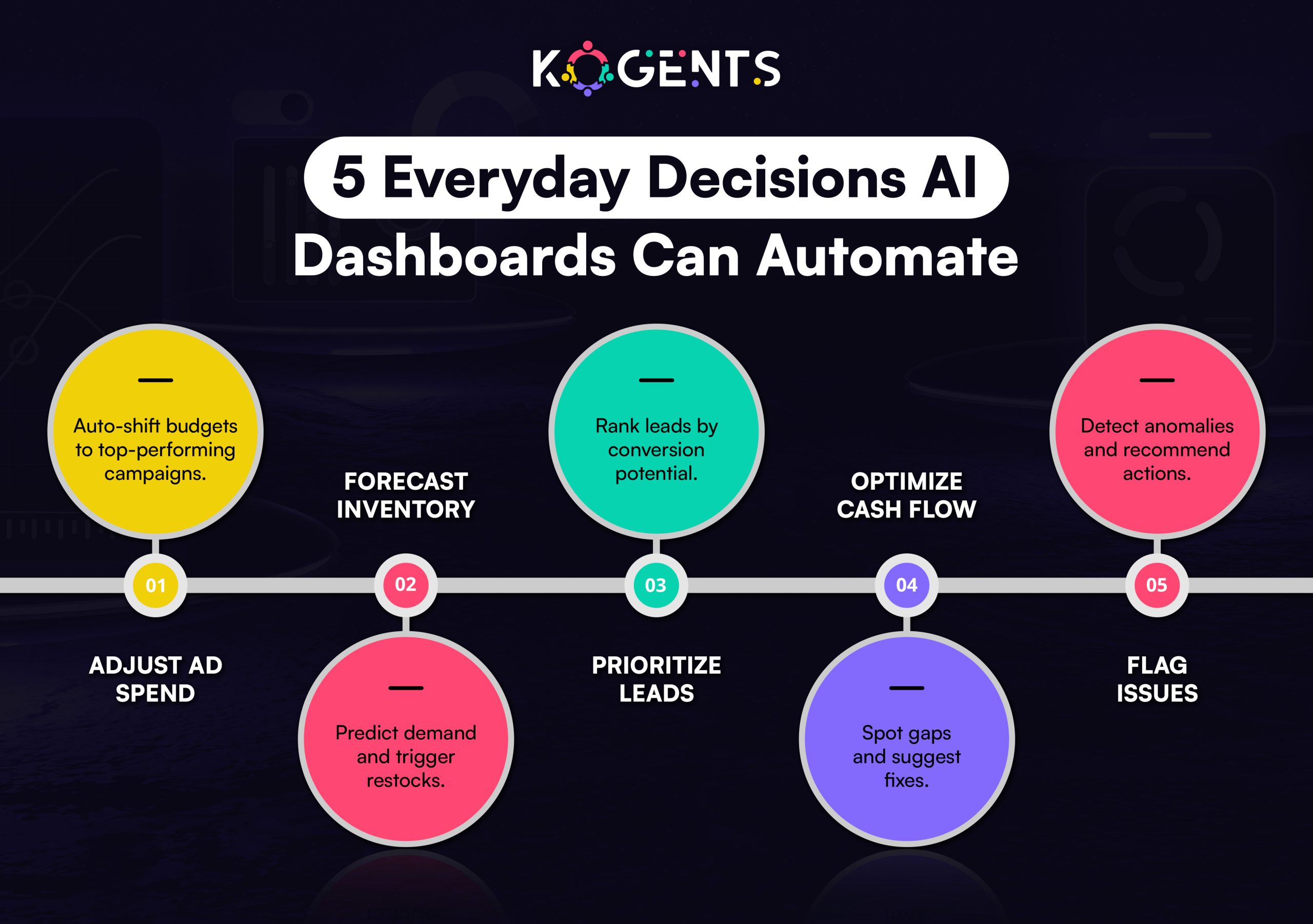
Category: ai agent dashboard

  • AI Automated Trading Implementation Execution Plan for Industrial-Scale AI

    AI Automated Trading Implementation Execution Plan for Industrial-Scale AI

    The integration of AI Automated Trading into the financial markets has revolutionized the way trades are executed, analyzed, and optimized. 

    With advancements in machine learning and neural networks, trading has become faster, smarter, and more efficient. Gone are the days when human traders manually sifted through mountains of data to identify potential trades. 

    Today, AI trading systems powered by automated trading algorithms make those decisions in milliseconds, analyzing vast quantities of data to predict market movements and execute trades at optimal prices.

    At the heart of this technological transformation is the ability of AI-driven stock trading systems to learn from historical data, adapt to changing market conditions, and predict future trends with remarkable accuracy. 

    AI trading bots, utilizing predictive analytics in finance, are designed to make decisions with minimal human intervention, thus offering unparalleled scalability and precision.

    As industries embrace the AI trading revolution, the implementation of these intelligent systems at an industrial scale presents both vast opportunities and unique challenges. 

    Understanding how to design, integrate, and scale these systems is key for any financial institution or investor looking to gain a competitive edge.

    This blog explores the steps necessary to implement AI automated trading at an industrial scale, the technologies that power these systems, and the real-world impact they are having on financial markets.

    Key Takeaways

    • AI trading systems automate and optimize trading decisions for higher efficiency and accuracy.
    • Machine learning and neural networks in trading play a crucial role in predictive analytics and real-time market analysis.
    • AI investment trading offers scalability and the potential for high-frequency trading with lower risks.
    • Successful implementation requires high-quality data, regulatory compliance, and robust backtesting strategies.
    • AI trading bots and automated trading algorithms are reshaping financial markets, making them more data-driven and accessible.

    The Rise of AI Automated Trading

    Over the past two decades, AI trading systems have evolved from simple rule-based systems to highly sophisticated algorithms capable of executing complex strategies in real-time. Initially, algorithmic trading relied on static formulas and basic technical indicators. 

    Today, machine learning models are able to learn from vast amounts of data and adjust strategies dynamically, offering a huge competitive advantage in the fast-paced world of trading.

    The real game-changer, however, is the ability of AI-driven stock trading platforms to predict price movements, optimize trading strategies, and adapt to changing market conditions without human intervention. 

    Intelligent trading systems are now capable of processing and analyzing high-frequency trading data, enabling them to make split-second decisions that would be impossible for human traders.

    AI Trading Algorithms: The Core of Automated Trading Systems

    At the core of automated trading is the AI trading algorithm, a sophisticated set of mathematical rules that guide the decision-making process. 

    These algorithms analyze data, identify patterns, and execute trades based on pre-defined criteria. 

    Unlike traditional trading systems that rely on human decision-making, AI trading bots are designed to operate autonomously, reducing the risk of emotional or psychological biases.

    The implementation of machine learning techniques in algorithmic trading has opened new avenues for financial market prediction

    Understanding AI Trading Systems

    What is AI-driven stock trading?

    AI-driven stock trading refers to the use of advanced algorithms powered by machine learning to analyze market data and execute trades without human intervention. 

    These systems can process vast amounts of data, identify trading opportunities, and make real-time decisions based on market trends.

    Key Components of Automated Trading Bots

    AI trading bots are designed to perform specific tasks autonomously. Key components include:

    • Market Data Analysis: AI bots process market data to identify trends, volatility, and other factors that affect trading decisions, often displayed through a custom AI agent dashboard for better monitoring and actionable insights.
    • Risk Management: AI algorithms are programmed to assess and mitigate risks by setting stop-loss levels, diversifying portfolios, and using other risk management techniques.
    • Execution Engine: Once a trading signal is identified, the bot executes trades automatically, ensuring timely and efficient execution.
    • Adaptive Learning: Machine learning allows the bot to adapt to changing market conditions by learning from previous trades and market movements.

    Types of Machine Learning Automated Trading Strategies

    • Supervised Learning: The algorithm is trained using historical data with known outcomes.
    • Unsupervised Learning: The AI learns from unlabelled data to find patterns and clusters.
    • Reinforcement Learning: AI learns by trial and error, optimizing its performance over time based on rewards and penalties.
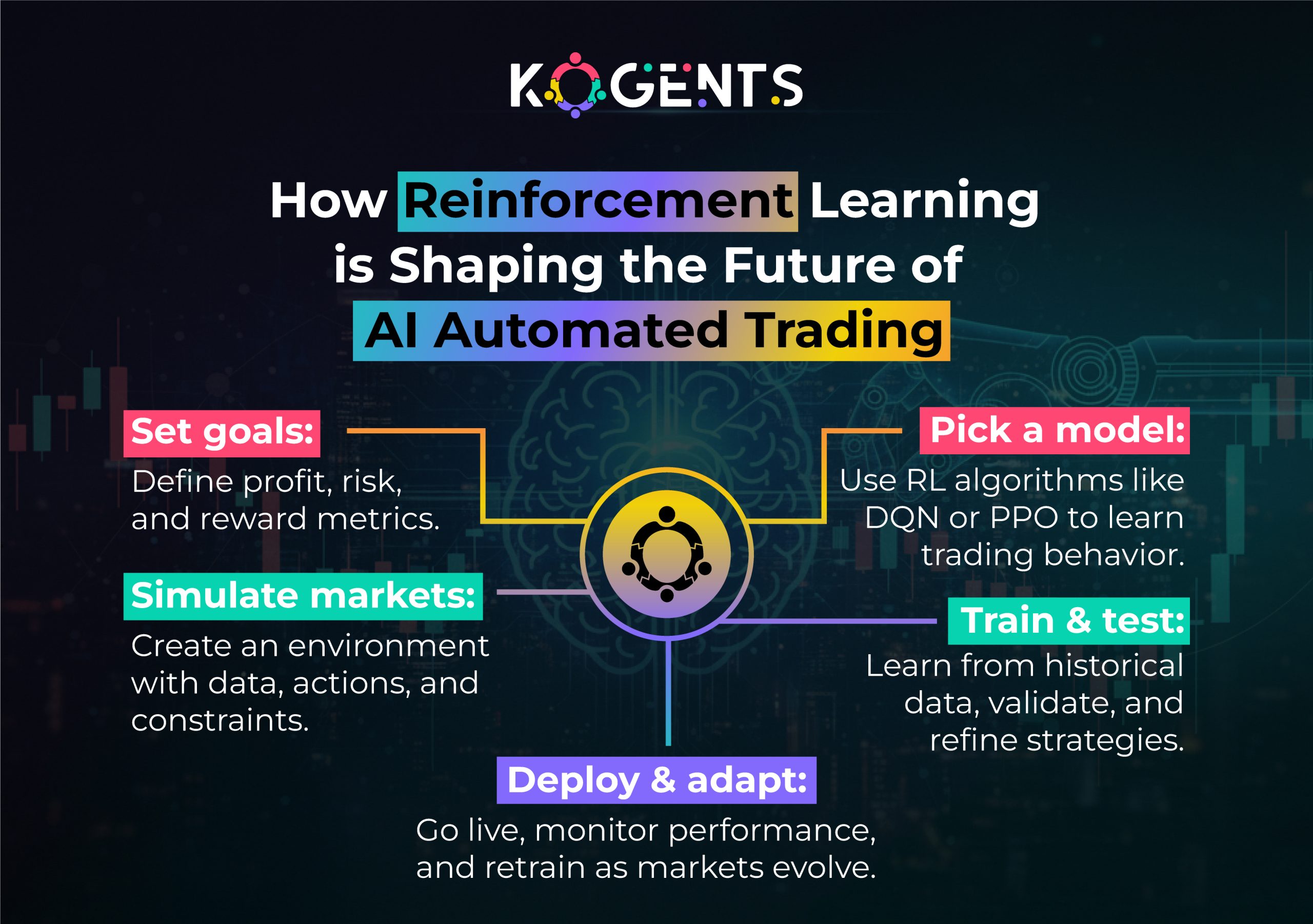
    how reinforcement learning is shaping the future of ai automated trading

    Neural Networks in Trading

    Neural networks are a subset of deep learning algorithms that mimic the human brain’s structure. 

    These networks are particularly effective in recognizing patterns in financial data and making predictions about future price movements.

    Designing the AI Automated Trading System

    According to one guide, AI-driven algorithms are expected to handle 89% of global trading volume by the end of 2025.

    Strategic Planning for Industrial-Scale AI Implementation

    Building an AI automated trading system at an industrial scale requires strategic planning, including:

    • Data Infrastructure: Establishing a robust data pipeline for real-time market data.
    • Algorithm Design: Selecting and designing trading strategies that align with business goals.
    • Testing and Optimization: Backtesting trading strategies using historical data to fine-tune performance.

    Structuring Data Pipelines for Real-Time Market Analysis

    • Real-time analysis is crucial for high-frequency trading
    • Data pipelines must be able to handle vast amounts of data from multiple sources, process it quickly, and provide actionable insights for trading decisions.

    Predictive Analytics in Finance and Trading Strategies

    • Predictive analytics allows AI systems to forecast price movements based on historical patterns and market conditions. 
    • Integrating these analytics with machine learning algorithms can lead to more accurate predictions and better trading decisions.

    Stock Market Automation Using Intelligent Trading Systems

    • Automating the stock market with intelligent trading systems requires integrating AI algorithms with market infrastructure. 
    • This includes leveraging predictive models and real-time analysis to make data-driven trading decisions.

    ai automated trading system

    Key AI Trading Techniques and Technologies

    Machine Learning Techniques

    • Supervised Learning: Used for predicting market movements based on historical data.
    • Unsupervised Learning: Helps detect anomalies or hidden patterns that might signal profitable opportunities.
    • Reinforcement Learning: Optimizes strategies by continuously learning from trade performance.

    Natural Language Processing (NLP) in Trading

    • NLP allows AI to process textual information, including news articles, financial reports, and social media posts. 
    • By understanding market sentiment, AI trading bots can make decisions based on sentiment analysis.

    Backtesting Trading Strategies

    • Before deploying a strategy, AI systems undergo rigorous backtesting on historical data. 
    • This ensures that the strategy performs as expected under different market conditions and helps refine the model.

    Case Studies

    Renaissance Technologies

    Renaissance Technologies is a prime example of AI trading at an industrial scale. By using quantitative trading systems and sophisticated AI trading algorithms, they have achieved exceptional returns by automating trading across various asset classes.

    Two Sigma Investments

    Two Sigma uses advanced machine learning techniques and intelligent trading systems to process vast amounts of data and predict market movements with remarkable accuracy. 

    Their approach demonstrates the power of AI in optimizing trading strategies and delivering better outcomes.

    QuantConnect

    QuantConnect provides a platform that empowers developers and institutions to build and backtest their AI trading algorithms

    The platform leverages machine learning and data-driven strategies to help users develop scalable trading models.

    Challenges of Implementing AI Automated Trading at an Industrial Scale

    • High Development Costs: The infrastructure, data, and expertise required to build AI trading bots can be expensive.
    • Data Quality: AI models are only as good as the data they are trained on, making data accuracy essential for success.
    • Regulatory Compliance: Financial markets are highly regulated, and AI systems must comply with these regulations to avoid legal issues.
      Market Manipulation Risks: The potential for algorithmic manipulation exists, requiring robust monitoring systems.

    Challenges of Implementing AI Automated Trading

    Challenge Description Possible Solution
    Data Quality Inaccurate or incomplete data Implement strict data validation
    Regulatory Compliance Complex legal frameworks Regular audits and explainable AI
    High Development Costs Infrastructure and data expenses Use scalable cloud platforms
    Market Manipulation Risks Algorithmic misuse Real-time monitoring systems

    Conclusion

    The integration of AI automated trading systems represents the future of finance. With the ability to process vast amounts of data and execute trades in real time, these systems offer immense potential for improving market efficiency, reducing human error, and generating higher returns. 

    However, implementing AI trading at an industrial scale comes with its own set of challenges, including data quality, regulatory compliance, and risk management.

    By adopting a strategic approach and collaborating with Kogents.ai, AI automation companies and financial enterprises can unlock the full potential of machine learning in trading, neural networks, and predictive analytics to stay ahead of the curve and gain a competitive advantage.

    FAQs

    What is AI automated trading?

    AI automated trading uses machine learning algorithms and AI trading bots to execute trades without human intervention. These systems analyze market data, identify trading opportunities, and place trades automatically.

    How does AI work in automated trading?

    AI in automated trading uses neural networks and predictive analytics to make decisions based on market data. It learns from historical data, adjusts strategies in real-time, and executes trades accordingly.

    What are the benefits of AI in stock market trading?

    AI offers numerous benefits, including faster decision-making, the ability to analyze vast amounts of data, and predictive analytics in finance to optimize trading strategies and improve profitability.

    How do AI trading algorithms predict stock prices?

    AI trading algorithms analyze historical price data, identify patterns, and apply statistical models to forecast future price movements. Deep learning techniques enhance this process.

    Are AI trading bots effective for high-frequency trading?

    Yes, AI trading bots are highly effective in high-frequency trading, as they can process and analyze data in real time, making trading decisions within fractions of a second.

    How can AI improve risk management in automated trading?

    AI can significantly enhance risk management in automated trading by using advanced algorithms to continuously monitor market conditions and adjust positions in real time. Machine learning models can predict potential risks and automatically implement strategies like stop-loss orders, portfolio diversification, and hedging to minimize losses. 

    What is the role of backtesting in AI automated trading?

    Backtesting is essential in AI automated trading as it allows traders to evaluate the performance of their AI trading algorithms on historical market data. This process helps validate the effectiveness of trading strategies and ensures they work as expected in real market conditions. AI trading bots use backtesting to fine-tune their decision-making models, optimizing them before going live with real investments. 

    How does AI in trading handle market volatility?

    AI trading systems are specifically designed to handle market volatility by quickly processing large volumes of data and adapting to rapid market changes. Machine learning algorithms can detect patterns in market behavior and adjust strategies accordingly, making real-time decisions to mitigate risk.
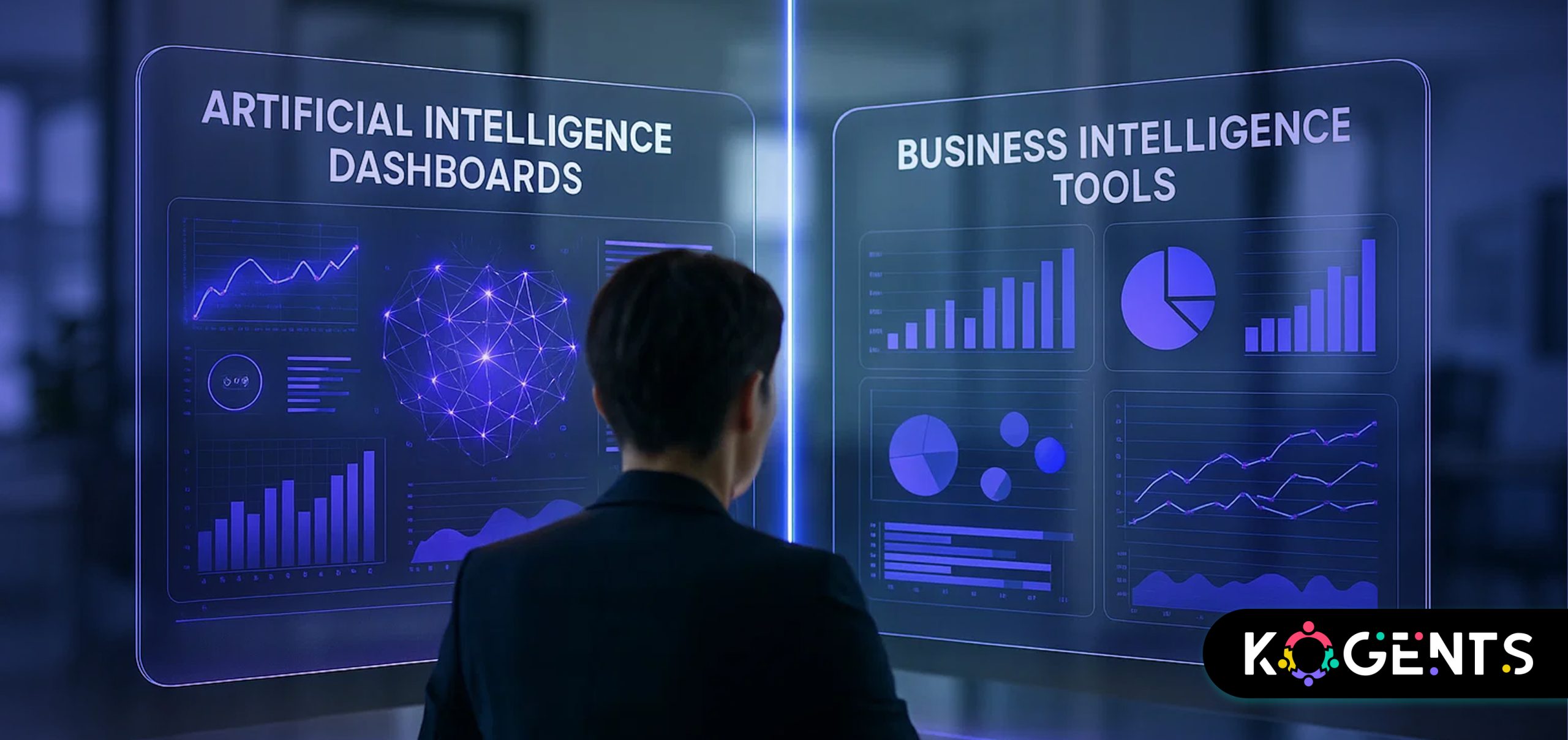
  • Artificial Intelligence Dashboards vs Business Intelligence Tools: What’s the Difference?

    Artificial Intelligence Dashboards vs Business Intelligence Tools: What’s the Difference?

    With so much buzz around AI-powered solutions, many business owners are asking: What’s the real difference between an AI dashboard and traditional BI tools? 

    The rise of artificial intelligence dashboards has transformed how businesses approach data visualization, analytics, and decision-making. At the same time, business intelligence (BI) tools remain the backbone of reporting and data analysis in organizations of all sizes. 

    This comprehensive guide dives deep into the comparison, offering actionable insights for entrepreneurs and solopreneurs who want to leverage data for growth, efficiency, and innovation. 

    So, let’s delve into this valuable insight now! 

    Key Takeaways

    • Understanding how AI dashboards differ from traditional BI tools.
    • Learning why combining BI and AI creates better business decisions.
    • Exploring real-world examples of AI dashboards in business, healthcare, and education.
    • Discovering how entrepreneurs can save time and make smarter decisions with AI.
    • Knowing the challenges and future trends of AI-powered analytics.

    Artificial Intelligence Dashboards vs Business Intelligence Tools?: Know The Difference 

    An artificial intelligence dashboard is a data visualization interface powered by machine learning and AI models. 

    It goes beyond traditional BI dashboards by offering predictive analytics, real-time anomaly detection, and even natural language querying (NLQ) so users can ask questions in plain English and get instant answers.

    Moreover, these AI dashboards leverage deep learning, neural networks, and cognitive computing to recommend actions, detect trends, and forecast outcomes.

    In contrast, business intelligence tools like Tableau, Power BI, and Looker primarily focus on descriptive analytics. 

    They provide a clear, organized view of past and present data through charts, graphs, and scorecards. 

    While many BI tools now include some AI features, their primary function is to consolidate, clean, and visualize data for human interpretation.

    In short, BI tools answer the question “What happened?” whereas AI dashboards are designed to answer “What’s likely to happen next?” and “What should we do about it?”

    Artificial Intelligence Dashboards vs Business Intelligence Tools

    Why Entrepreneurs & Solopreneurs Need Artificial Intelligence Dashboards vs Business Intelligence Tools? 

    Entrepreneurs and solopreneurs face unique challenges: limited manpower, tight budgets, and the constant need for speed. 

    Artificial intelligence dashboards offer a competitive edge by combining automation, predictive analytics, and intuitive interfaces. 

    They minimize manual effort, freeing up founders to focus on strategy. 

    For example, a solopreneur running an e-commerce shop can use an AI dashboard for marketing analytics to instantly see which ad campaigns are delivering ROI and automatically adjust budgets.

    A traditional BI tool would still require them to manually set up reports, filter datasets, and interpret trends.

    Key Advantages for Entrepreneurs:

    • Proactive Decision-Making: AI dashboards highlight anomalies and predict future outcomes, enabling founders to act before problems escalate.
    • Accessibility: Natural language queries make data analysis accessible even to those without technical expertise.
    • Operational Efficiency: AI can automate reporting cycles, recommend resource allocation, and provide early warnings.
    • Growth Insights: Predictive analytics uncover new market opportunities and customer segments.

    BI tools are still essential, particularly for compliance, financial planning, and deep-dive historical reporting. 

    Together, they provide a complete ecosystem, BI for clarity of what happened, and AI dashboards for foresight into what’s coming next.

    The global business intelligence market was valued at USD 29.42 billion in 2023 and is projected to grow to USD 54.27 billion by 2030, with a CAGR of ~9.1%. 

    How Artificial Intelligence Dashboards vs Business Intelligence Tools Work in Business, Healthcare, and Education? 

    AI dashboards and BI tools work differently but complement each other in key sectors:

    Business:

    • AI Dashboards: Provide real-time monitoring of sales, inventory, and customer behavior. Predictive models anticipate demand spikes and recommend pricing adjustments.
    • BI Tools: Generate historical sales performance reports, customer lifetime value calculations, and P&L statements for investors.

    Healthcare:

    • AI Dashboards: Forecast patient admissions, flag potential equipment failures, and identify population health trends using machine learning.
    • BI Tools: Create compliance dashboards for regulatory audits, monitor historical patient outcomes, and track the financial performance of departments.

    Education:

    • AI Dashboards: Spot at-risk students early by analyzing attendance, grades, and behavioral data. Recommend personalized learning paths.
    • BI Tools: Provide enrollment trend analysis, graduation rates, and funding utilization reports.

    Catch-point: In each case, AI dashboards excel at real-time, forward-looking actions, while BI tools remain critical for structured, historical understanding.

    Core Features of Artificial Intelligence Dashboards vs Business Intelligence Tools

    AI Dashboard Features:

    • Predictive Modeling: Uses machine learning to forecast outcomes (e.g., sales, patient load).
    • Prescriptive Recommendations: Suggests next steps based on data patterns.
    • Natural Language Query: Allows users to ask questions conversationally.
    • Automated Alerts: Notifies users of anomalies or opportunities.
    • Adaptive Learning: Improves accuracy over time as models are retrained.
    • Real-Time Data Processing: Enables instant insights from live data streams, and when paired with an AI agent dashboard, can immediately trigger next steps such as sending alerts or initiating automated actions.

    BI Tool Features:

    • ETL and Data Cleansing: Ensures data accuracy and reliability.
    • Custom Reporting: Supports deep-dive analysis and customizable dashboards.
    • Interactive Visualization: Provides drill-down capabilities for exploration.
    • Governance: Role-based access control and audit trails.

    About 75% of businesses now rely on cloud-based BI solutions. 

    Comparison: AI dashboards redefine decision-making by suggesting actions, whereas BI tools provide the data context for those actions. Together, they close the loop from insight to execution.

    Use Cases for Entrepreneurs, Solopreneurs & Healthcare

    For Entrepreneurs & Solopreneurs:

    • Marketing Analytics: AI dashboards for marketing analytics can identify which campaigns drive the highest ROI and recommend budget shifts.
    • Sales Forecasting: AI dashboards for sales performance can help founders prioritize leads based on conversion probability.
    • Operations Monitoring: A dashboard with AI insights can monitor supply chain metrics and alert when inventory is low.

    For Healthcare Providers:

    • Predictive Patient Care: AI dashboards can forecast admission surges, enabling better resource planning.
    • Clinical Quality Tracking: Real-time monitoring of key health outcomes can improve compliance.
    • Mental Health Support: AI-driven dashboards can track therapy session attendance and flag risks for early intervention.

    artificial intelligence dashboard automation

    Benefits of Artificial Intelligence Dashboards vs Business Intelligence Tools

    • Enhanced Agility: Respond to market changes in real time.
    • Data-Driven Culture: Empower every team member to make informed decisions.
    • Improved Forecast Accuracy: Use predictive modeling to plan with confidence.
    • Competitive Advantage: Spot opportunities earlier than competitors.
    • Time Savings: Automate routine analysis and reporting tasks.

    Key Highlight: When combined with BI tools, these benefits expand to cover both operational oversight and strategic forecasting, giving entrepreneurs and solopreneurs an edge.

    Challenges & Limitations of Artificial Intelligence Dashboards vs Business Intelligence Tools

    • Model Bias: Poorly trained models can lead to skewed recommendations.
    • Complex Implementation: Integrating data pipelines can be resource-intensive.
    • Cost Barrier: High-quality AI dashboard software may be priced out of reach for early-stage startups.
    • Data Security: Sensitive healthcare or education data requires strong compliance protocols.
    • Adoption Hurdles: Employees may resist trusting AI-generated insights until they see consistent accuracy.

    Key Note: These challenges highlight the importance of pairing AI dashboards with solid BI infrastructure and data governance practices.

    Artificial Intelligence Dashboards vs Business Intelligence Tools vs Other Tools

    Feature/Aspect AI Dashboard Business Intelligence Tool Other Tools (Spreadsheets, Static Reports)
    Focus Predictive & prescriptive insights Descriptive analytics Raw data & manual analysis
    Automation High (automated recommendations) Medium (manual analysis needed) Low
    Interactivity Conversational (NLQ) & adaptive Interactive filters & drilldowns Static
    Data Freshness Real-time or near real-time Periodic refresh Manual updates
    Complexity AI/ML-driven Data modeling & visualization Minimal
    Best For Entrepreneurs seeking growth insights, healthcare forecasting, and proactive decisions Structured historical analysis, compliance, and reporting Ad-hoc calculations

    Artificial Intelligence Dashboards vs Business Intelligence Tools: Know The Future!

    The future is not about AI dashboards replacing BI tools, but about convergence. Expect to see:

    • Unified Platforms: BI tools with built-in predictive modeling and embedded AI dashboards in BI.
    • Explainable AI: Greater transparency into how predictions are made.
    • Conversational Interfaces: More intuitive voice and chat-based analytics.
    • Autonomous Decision Support: Systems that not only recommend but also automate actions.
    • Sector-Specific Solutions: Tailored AI dashboards for healthcare, education, and small business growth.
    What You Need to Know? As these technologies mature, businesses, clinics, and schools will experience a paradigm shift toward data-driven, automated decision-making.

    Case Study 1: Startup Scaling with an AI Dashboard

    A SaaS startup implemented an AI business dashboard integrated with HubSpot and Stripe. Within 3 months, they:

    • Reduced churn by 18% using predictive models.
    • Increased MRR forecasting accuracy by 25%.
    • Saved 12 hours per week on manual reporting.

    Case Study 2: Clinic Improving Outcomes

    A mental health clinic used an AI analytics dashboard to monitor therapist workloads and patient wait times. The system predicted no-show probabilities and sent reminders, reducing no-shows by 30%.

    Closing Remarks! 

    For entrepreneurs and solopreneurs, the question isn’t whether to choose between AI dashboards and BI tools; it’s how to leverage both strategically. 

    Artificial intelligence dashboards offer agility, predictive insight, and automation, making them ideal for fast-moving businesses. 

    BI tools provide structured analysis, governance, and historical context, ensuring decisions are grounded in reliable data.

    Businesses that embrace this dual approach are future-proofing their operations. 

    Entrepreneurs gain clarity and speed, solopreneurs reclaim precious time, and healthcare providers improve outcomes. 

    The future belongs to those who not only see what has happened but act confidently on what will happen next. 

    Kogents.ai empowers you to do exactly that, turning raw data into actionable intelligence and helping you stay ahead in an increasingly competitive landscape.

    So, drop an email at info@portal.kogents.ai or give us a call at (267) 248-9454. 

    FAQs

    What is an artificial intelligence dashboard?

    An AI dashboard is an intelligent dashboard that uses machine learning to provide predictive insights, recommendations, and real-time alerts.

    How does an AI dashboard work?

    It connects to your data sources, applies AI/ML models, and visualizes insights through interactive charts and natural language interfaces.

    AI dashboard vs BI dashboard: What’s the difference?

    BI dashboards show historical data; AI dashboards predict trends and recommend actions.

    What are the best AI dashboard tools for 2025?

    Tools like Tableau (with AI features), Power BI, Databricks, and Polymer offer strong AI integrations.

    Can I use an AI dashboard for marketing analytics?

    Yes, you can track campaign ROI, recommend budget shifts, and forecast customer acquisition.

    What are the risks of AI dashboards?

    Bias, data privacy issues, and explainability are key concerns.

    Are there free AI dashboard tools?

    Yes, some platforms offer free tiers, but enterprise-grade features may require paid plans.

    How do AI dashboards integrate with BI tools?

    They can embed directly within BI platforms or work as standalone predictive layers.

    What industries benefit most from AI dashboards?

    Retail, healthcare, education, SaaS, and financial services benefit the most.

    What are AI dashboard design best practices?

    Keep it simple, prioritize real-time data, use NLQ for accessibility, and ensure explainability for trust.